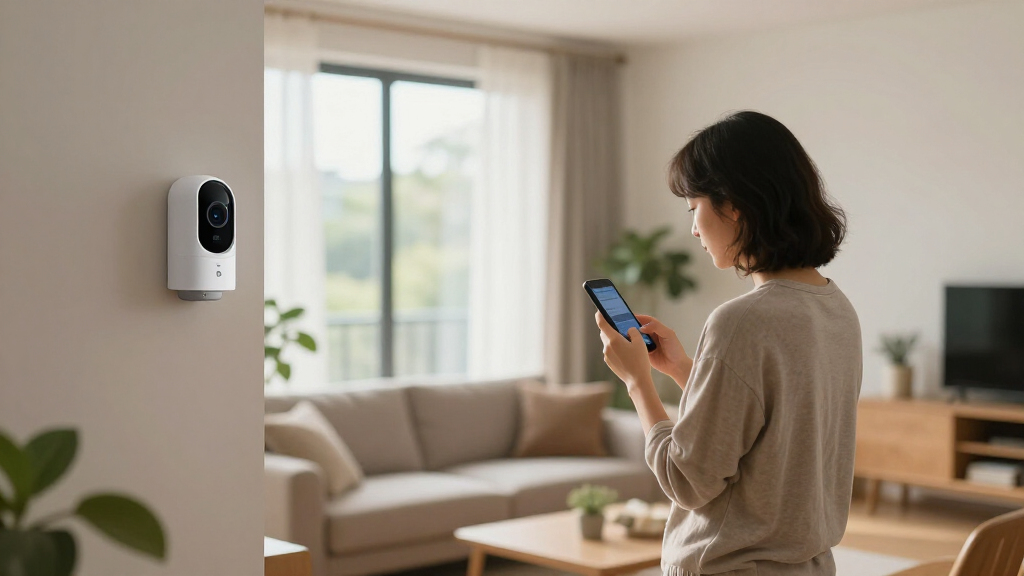

The best smart home security system for most buyers is the Ring Alarm 14-Piece Kit, thanks to its polished app, optional professional monitoring, and broad Alexa integration at a mid-range price. If monthly fees are a dealbreaker, the Eufy Security 5-Piece Home Alarm Kit and the 15-Piece WiFi No-Subscription Kit let you self-monitor without recurring costs. The main tradeoff in this category is convenience versus long-term expense: subscription-based systems like Ring and ADT Blu offer cellular backup and professional monitoring, while no-fee kits demand more setup work and rely entirely on your WiFi network. Below, I break down all eight kits, who each one suits, and which tradeoffs actually matter in daily use. Read on for the full comparison.

Get home appliances delivered free with Prime
- Fast, free delivery on millions of items
- Prime Video, Amazon Music and more included
- Member-only deals all year
Complete the kit


Key Takeaways
- Ring‘s 14-piece and 8-piece kits topped the ranking because their app reliability, optional professional monitoring, and ecosystem support outclass the generic no-name kits, even though both carry subscription costs.
- Every no-subscription option in this lineup, including the 21-piece and 24-piece kits, depends entirely on your home WiFi — a router outage or power cut can take the whole security system offline unless you add GSM/4G backup.
- The ADT Blu kit is the only option here with a clear path to professionally installed, monitored service, making it the pick for buyers who want a security company behind them rather than a DIY hobby.
- Sensor count is a misleading value signal: the 24-piece touch-screen kit looks impressive on paper, but piece counts inflate with cheap remotes and window sensors, not better protection.
- Eufy‘s 5-piece kit proves smaller can be smarter — its local storage and integration quality beat kits with three times the components.
| Ring Alarm 14-Piece Kit (Newest Model) – Wireless Smart Home Security System |  | Best Overall | Included Components: Base station, 2 keypads, 8 contact sensors, 2 motion detectors, range extender | Designed For: 2–4 bedroom homes | Monitoring: Optional 24/7 professional monitoring (sold separately) | VIEW LATEST PRICE | See Our Full Breakdown |
| 15-Piece WiFi Home Security System DIY Wireless Alarm Kit No Subscription |  | Best Value | Sensors: 10 door sensors, 1 motion sensor | Remote Controls: 2 included | Siren Volume: 120dB | VIEW LATEST PRICE | See Our Full Breakdown |
| Ring Alarm 8-Piece Kit (Newest Model) Home and Business Security System |  | Best for Small Homes and Apartments | Includes: Base station, keypad, 4 contact sensors, motion detector, range extender | Designed For: 1–2 bedroom homes | Connectivity: Wi-Fi | VIEW LATEST PRICE | See Our Full Breakdown |
| WiFi Wireless Home Alarm System, 21 Pcs, Alexa-Compatible, No Monthly Fees |  | Best Feature-Rich Budget Pick | Pieces: 21-piece kit | Connectivity: 2.4GHz WiFi (no SIM required) | Siren Volume: 120dB | VIEW LATEST PRICE | See Our Full Breakdown |
| ADT Blu Home Security System Starter Kit, DIY Wireless Alarm |  | Best Brand-Backed Starter System | Includes: 1 base hub, 3 door/window sensors, 1 pet-friendly motion sensor, yard sign, 4 window stickers | Monitoring: Month-to-month plans, no long-term contracts | Installation: Screws or adhesive tape, no wiring | VIEW LATEST PRICE | See Our Full Breakdown |
| Eufy Security 5-Piece Home Alarm Kit |  | Best Fee-Free Starter Pick | Entry Sensors: 2 | Motion Sensors: 1 | Hub: HomeBase (local storage, no fees) | VIEW LATEST PRICE | See Our Full Breakdown |
| WiFi Wireless Home Security Alarm System with 4.3″ Touch Screen, 24 pcs |  | Best for Large Homes | Connectivity: WiFi 2.4GHz + 4G (SIM required for alerts) | Display: 4.3-inch color touch screen | Sensors Included: 5 PIR motion detectors, 10 door/window alarms | VIEW LATEST PRICE | See Our Full Breakdown |
| Home Security System Wireless, Smart WiFi Alarm Kit with Sensors, Siren, Remote |  | Best Budget Expandable Pick | Siren Volume: 120dB | Sensors Included: 4 door/window magnetic sensors | Max Accessory Support: Up to 100 | VIEW LATEST PRICE | See Our Full Breakdown |
| smart home security system | Connectivity | Siren Volume |
|---|---|---|
| Ring Alarm 14-Piece Kit | Wi-Fi | — |
| 15-Piece WiFi Home Security Sy | WiFi (2.4GHz only) | 120dB |
| Ring Alarm 8-Piece Kit | Wi-Fi | — |
| WiFi Wireless Home Alarm Syste | 2.4GHz WiFi (no SIM required) | 120dB |
| ADT Blu Home Security System S | Wireless DIY | — |
| Eufy Security 5-Piece Home Ala | — | — |
| WiFi Wireless Home Security Al | WiFi 2.4GHz + 4G (SIM required for alerts) | 120dB |
| Home Security System Wireless | — | 120dB |
More Details on Our Top Picks
Ring Alarm 14-Piece Kit (Newest Model) – Wireless Smart Home Security System
Ring Alarm’s 14-piece kit earns the top spot because it treats a security system like an ecosystem rather than a box of parts. The inclusion of two keypads means one can live at the front door and another at a bedroom or garage entrance — a detail smaller kits like the ADT Blu starter kit skip entirely. Eight contact sensors and two motion detectors cover a 2–4 bedroom home without day-one shopping for add-ons, and the included range extender matters more than it sounds for larger or multi-floor layouts. Compared with the no-fee kits in this roundup, Ring trades free operation for polish: the app experience, Alexa integration, and optional 24/7 professional monitoring are the most mature here. The tradeoff is real, though — remote arming and monitoring sit behind a Ring Protect subscription, so the true cost arrives monthly.
Pros:- Two keypads and eight contact sensors cover larger homes out of the box
- Range extender improves reliability in multi-floor layouts
- Best-in-class app with optional 24/7 professional monitoring
- Deep Alexa integration for voice arming and routines
Cons:- Remote arming, notifications, and monitoring all require a paid Ring Protect plan
- Meaningfully pricier upfront than no-subscription kits like the 15-piece WiFi system
Best for: Owners of 2–4 bedroom homes who want a polished app experience and a clear upgrade path to professional monitoring
Not ideal for: Buyers who refuse any recurring fees — core smart features are locked behind a Ring Protect subscription
- Included Components:Base station, 2 keypads, 8 contact sensors, 2 motion detectors, range extender
- Designed For:2–4 bedroom homes
- Monitoring:Optional 24/7 professional monitoring (sold separately)
- Subscription:Ring Protect Plan required for remote features
- Compatibility:Alexa, Ring app
- Connectivity:Wi-Fi
Our verdict“This is the pick for homeowners who want a scalable, ecosystem-backed system and accept a subscription as the price of that polish.”
15-Piece WiFi Home Security System DIY Wireless Alarm Kit No Subscription
For pure coverage-per-dollar, this 15-piece kit is hard to beat. Ten door sensors in the box is generous — the Ring Alarm 8-piece kit gives you four contact sensors for a comparable price, and Ring asks for a monthly fee on top. Here, everything works free forever: the 120dB siren, app alerts, and Alexa control carry no subscription. Expansion up to 20 sensors leaves headroom for a garage or back door later. The compromises are the usual budget-system kind. Connectivity is limited to 2.4GHz WiFi, so households running mesh networks on 5GHz will need to do some router fiddling, and there’s no professional monitoring option at all — this is a self-monitored alarm, full stop. Compared with Ring, you also lose the polished app and keypad hardware; controls run through remotes and your phone.
Pros:- Ten door sensors included — triple the coverage of similarly priced kits
- No monthly subscription fees for alerts or arming
- Expandable to 20 sensors and 5 remotes
- Alexa-compatible for voice control
Cons:- 2.4GHz WiFi only; incompatible with 5GHz-only networks
- No professional monitoring or cellular backup option
Best for: Budget-conscious homeowners and renters who want maximum sensor coverage with zero monthly fees
Not ideal for: Anyone who wants professional monitoring or cellular backup — this system offers neither
- Sensors:10 door sensors, 1 motion sensor
- Remote Controls:2 included
- Siren Volume:120dB
- Connectivity:WiFi (2.4GHz only)
- Expansion:Up to 20 sensors, 5 remote controls
- Fees:No subscription required
Our verdict“The smart choice if your priority is covering many entry points cheaply and you’re comfortable self-monitoring.”
Ring Alarm 8-Piece Kit (Newest Model) Home and Business Security System
This 8-piece Ring kit is essentially the 14-piece version scaled down for apartments and 1–2 bedroom homes: one keypad instead of two, four contact sensors instead of eight, and a single motion detector. That makes it a better fit than its bigger sibling for anyone who doesn’t need to blanket a two-story house — you’re not paying for sensors that would sit in a drawer. You keep the same Ring app experience, the same optional 24/7 monitoring, and the same Alexa integration, plus the range extender that budget kits like the 15-piece WiFi system omit. The catch mirrors the larger Ring kit: without a Ring Protect plan, remote arming, app notifications, and monitoring don’t function, so the sticker price understates the long-term cost. It also lacks a siren-equipped secondary keypad found in pricier configurations, and small-business buyers will likely outgrow four sensors quickly.
Pros:- Right-sized for 1–2 bedroom homes without paying for unused sensors
- Same Ring app and optional professional monitoring as the larger kit
- Range extender included for reliable signal in awkward layouts
- Alexa voice control supported
Cons:- Ring Protect subscription required for remote arming, notifications, and monitoring
- Only four contact sensors — expansion gets costly fast
Best for: Apartment dwellers and small-home owners already in the Ring or Alexa ecosystem
Not ideal for: Small businesses or larger homes — four contact sensors won’t cover multiple entry points without add-ons
- Includes:Base station, keypad, 4 contact sensors, motion detector, range extender
- Designed For:1–2 bedroom homes
- Connectivity:Wi-Fi
- Monitoring:Optional 24/7 professional monitoring
- Subscription:Ring Protect Plan (sold separately)
- Compatibility:Alexa, Ring app
Our verdict“A scaled-down Ring system that makes sense only if you’ll genuinely use its ecosystem and subscription.”
WiFi Wireless Home Alarm System, 21 Pcs, Alexa-Compatible, No Monthly Fees
This 21-piece system goes further than the similar 15-piece WiFi kit by adding the details that make daily use less annoying: a color screen on the base for at-a-glance status, RFID tags for keyless arming, and a rechargeable battery backup so a power cut doesn’t disable your alarm. At 330 feet of range, it also handles detached garages or long hallways better than typical budget kits. Like its cheaper rival, it runs entirely on 2.4GHz WiFi with no monthly fees, and its PIR motion sensing and SOS features stretch beyond burglary into elderly-care territory — a niche Ring and ADT Blu don’t really address. The drawbacks mirror the budget category: 5GHz networks are off the table, setup and configuration happen entirely through a fiddly app, and the battery backup is rated for just 48 hours, which is thin during an extended outage.
Pros:- Color display on the base station for instant status checks without the app
- RFID tags allow keyless arming/disarming — handy for kids or staff
- Rechargeable battery backup keeps protection running through outages
- SOS and elderly-care modes extend it beyond basic burglary alerts
Cons:- Battery backup lasts only 48 hours
- 2.4GHz WiFi only, and app-based configuration is time-consuming
Best for: Tech-comfortable buyers, caregivers, and shop owners who want screen-based control, RFID arming, and no fees
Not ideal for: Anyone wanting professional monitoring or a set-and-forget setup — configuration is manual and self-monitored only
- Pieces:21-piece kit
- Connectivity:2.4GHz WiFi (no SIM required)
- Siren Volume:120dB
- Maximum Range:330 feet
- Power:AC adapter with rechargeable battery backup (48 hours)
- Sensor Technology:Magnetic contact, PIR motion, RFID
- Control Methods:App, push button, remote, voice
- Compatibility:Amazon Alexa, Smart Life, Tuya
Our verdict“The most capable fee-free kit here, best for buyers who value hardware extras over brand polish.”
ADT Blu Home Security System Starter Kit, DIY Wireless Alarm
ADT Blu occupies the middle ground between Ring’s subscription-heavy ecosystem and the anonymous no-fee kits. Its main draw is the ADT name and monitoring infrastructure: month-to-month professional plans with no long-term contract, which neither the 15-piece WiFi kit nor the 21-piece system can offer at any price. That flexibility suits renters and first-time buyers who want pro monitoring occasionally without being locked in. Installation is genuinely forgiving — adhesive mounting means no drilling, and the pet-friendly motion sensor prevents false alarms from cats and small dogs, a filter the budget kits lack. But the starter hardware is thin: three door/window sensors and one motion sensor cover a small apartment, not a house, so the Ring 14-piece kit delivers far more out of the box for similar money. Features also lean heavily on app connectivity, and monitoring itself still costs monthly.
Pros:- Month-to-month professional monitoring with no long-term contract
- Pet-friendly motion sensor reduces false alarms
- Tool-free adhesive installation — ideal for rentals
- Trusted brand backing and scalable add-on devices
Cons:- Only 3 door/window sensors and 1 motion sensor included
- Monitoring requires a paid plan, and key features depend on app connectivity
Best for: Renters and first-time security buyers who want ADT-branded monitoring flexibility without a contract
Not ideal for: Homeowners needing full-house coverage on day one — three sensors won’t come close
- Includes:1 base hub, 3 door/window sensors, 1 pet-friendly motion sensor, yard sign, 4 window stickers
- Monitoring:Month-to-month plans, no long-term contracts
- Installation:Screws or adhesive tape, no wiring
- Control:App with real-time alerts
- Scalability:Add cameras and sensors as needed
- Connectivity:Wireless DIY
Our verdict“Choose this if the ADT monitoring name matters more to you than sensor count or upfront value.”
Eufy Security 5-Piece Home Alarm Kit
For buyers who want a no-subscription alarm without complexity, this Eufy kit is the simplest entry point in this lineup. Compared with the 24-piece touch screen system later in this roundup, it covers far less ground — two entry sensors and one motion sensor — but that restraint is exactly what makes it approachable for a first apartment or a small single-floor home. The HomeBase hub keeps everything local, meaning no cloud fees and no dependence on a monitoring plan, which puts it in the same fee-free camp as the 15-Piece WiFi kit while offering a more polished app experience. The tradeoff is real, though: larger homes will outgrow it quickly, and alerts only reach you through your smartphone, so anyone without reliable cell service at home should think twice.
Pros:- Genuinely easy DIY installation with no professional help needed
- No monthly fees of any kind — everything runs locally through HomeBase
- Instant smartphone alerts for motion and door breaches
- Clean, beginner-friendly app compared with generic 433MHz alarm kits
Cons:- Only two entry sensors and one motion sensor included — expansion gets costly fast
- Requires a smartphone for alerts, with no keypad-based professional monitoring option
- Basic feature set lacks the siren volume and accessory capacity of larger kits
Best for: Renters and first-time buyers in apartments or small homes who want plug-and-play protection with zero monthly costs
Not ideal for: Owners of multi-story or large homes — two entry sensors cannot cover more than a front and back door
- Entry Sensors:2
- Motion Sensors:1
- Hub:HomeBase (local storage, no fees)
- Keypad:Included
- Setup:Easy DIY installation
- Monthly Fees:None
- Alerts:Instant smartphone notifications
Our verdict“A sensible, fee-free starter system for small spaces, as long as you accept its limited sensor count and plan to expand later.”
WiFi Wireless Home Security Alarm System with 4.3″ Touch Screen, 24 pcs
Where the Eufy 5-piece kit feels built for a two-bedroom apartment, this 24-piece system is engineered for square footage. With 10 door/window alarms and 5 PIR motion detectors out of the box — plus support for up to 100 sensors — it can blanket a multi-story house in one purchase, something neither Eufy nor the Ring Alarm 8-piece kit can match without buying expansion packs. The 4.3-inch touch screen is a genuine differentiator: arming the system doesn’t require pulling out a phone, and the included RFID keychains and remotes make it practical for households with kids or older relatives. The catch is dual-band clutter — 4G alerts only work after you insert and fund a SIM card, and there’s no 5G support, so this is a 2.4GHz-and-4G proposition through and through.
Pros:- 24 pieces covering 10 entry points and 5 motion zones right away
- Scalable to 100 sensors, enough for any residential property
- Touch screen, app, remote, and RFID control options suit every household member
- Battery backup keeps the system live during power outages
Cons:- Requires a separate, funded SIM card for SMS and voice-call notifications
- No 5G support and 2.4GHz-only WiFi limits future network flexibility
- Touch screen hub is larger and less discreet than phone-first systems like Eufy’s
Best for: Owners of large or multi-story homes who want full-coverage protection in a single purchase without monitoring fees
Not ideal for: Buyers who expect cellular backup to work out of the box — SMS and call alerts require supplying and paying for your own SIM card
- Connectivity:WiFi 2.4GHz + 4G (SIM required for alerts)
- Display:4.3-inch color touch screen
- Sensors Included:5 PIR motion detectors, 10 door/window alarms
- Max Sensor Support:Up to 100
- Siren Volume:120dB
- Battery Backup:Yes
- Voice Assistant Compatibility:Alexa, Google Assistant
- Accessories:3 remote controls, 3 RFID keychains
- Monthly Fees:None
Our verdict“The strongest choice here for whole-house coverage, provided you’re willing to manage a SIM card for cellular alerts.”
Home Security System Wireless, Smart WiFi Alarm Kit with Sensors, Siren, Remote
This kit sits in a useful middle ground: more flexible than the Eufy 5-piece starter thanks to support for up to 100 accessories on its 433MHz network, yet cheaper and simpler than the 24-piece touch screen system that leads on raw coverage. It ships with just four door/window sensors, so the initial footprint is modest — but a small business or growing household can add motion detectors, extra sirens, and keypads over time without replacing the hub. Alexa and Google Home integration puts it on par with the 21-Piece WiFi system for voice control, and the built-in rechargeable backup battery means a power cut won’t silence your protection. Just know the limits: 2.4GHz-only WiFi and app control that dies entirely if your internet does.
Pros:- Room to grow with support for up to 100 add-on accessories
- Alexa and Google Home voice control at a budget price point
- Built-in rechargeable battery keeps the alarm armed during outages
- Quick 15-minute DIY setup with no wiring or subscription
Cons:- Only four sensors in the box — barely enough for a ground floor
- 2.4GHz-only WiFi with no 5GHz or cellular fallback for alerts
- No hub display — everything beyond the siren remote depends on the app
Best for: Budget-conscious small businesses and homeowners who want to start small and expand the system gradually
Not ideal for: Anyone needing reliable alerting during internet outages — app control and notifications require an active WiFi connection
- Siren Volume:120dB
- Sensors Included:4 door/window magnetic sensors
- Max Accessory Support:Up to 100
- Wireless Frequency:433MHz
- WiFi Compatibility:2.4GHz only
- Backup Battery:Built-in rechargeable
- Voice Assistant Compatibility:Alexa, Google Home
- Remote Control:Yes
- Monthly Fees:None
Our verdict“A low-cost, expandable foundation for tinkerers and small businesses, as long as WiFi-dependent alerts aren’t a dealbreaker.”

How We Picked
I evaluated these eight systems on five buyer-facing criteria. Total cost of ownership came first: a kit that looks cheap upfront can cost more than a premium system after two years of monitoring fees, so I compared both the sticker price and the subscription reality. Monitoring flexibility ranked next — whether each system supports self-monitoring, professional monitoring, cellular backup, or none of the above. App and ecosystem quality separated the leaders from the pack; a security system lives or dies by whether alerts arrive quickly and whether it plays well with Alexa and Google Home.
From there, I weighed component quality and coverage, looking past raw piece counts to what the sensors actually protect, and ease of setup, since most buyers of DIY kits will install everything themselves. This logic explains the ranking: Ring’s two kits lead because of ecosystem and monitoring depth, Eufy wins on no-fee simplicity, ADT Blu covers the professionally monitored buyer, and the generic no-subscription kits fill budget and coverage-size niches at the cost of polish and redundancy.
Factors to Consider When Choosing Smart Home Security Systems
Choosing between these eight systems comes down to a handful of decisions most buyers don’t realize they’re making. Before clicking buy on whichever kit has the most pieces, work through the factors below.Subscription Versus Self-Monitoring: The Real Cost Question
The single biggest decision isn’t which brand — it’s whether you’ll pay monthly. Subscription systems typically cost $10–$30 per month, which adds up to $240–$720 over two years, often exceeding the hardware price itself. What that money buys is meaningful: 24/7 professional monitoring means someone calls the police when you’re asleep or on a plane, and cellular backup keeps the system alive if a burglar cuts your power or internet. Self-monitored kits are cheaper long-term but put the entire burden on you — if you silence a phone notification at work, no one responds. A common mistake is buying a no-fee kit assuming it can be upgraded later; most generic kits have no monitoring path at all. If you want the option of professional monitoring without committing, Ring’s flexible month-to-month model makes more sense than an all-or-nothing choice.
Connectivity Redundancy: What Happens When WiFi Dies
Most budget kits in this category communicate over WiFi only, and that single point of failure matters more than buyers expect. Power outages, ISP problems, and deliberate line cuts all take a WiFi-only system offline at exactly the moment you need it. Systems with cellular or GSM/4G backup — like the 24-piece touch-screen kit with built-in GSM support, or Ring and ADT with professional monitoring tiers — maintain a second communication path. Also check how the hub handles power: some include battery backup, others die with the grid. A related mistake is assuming your smart speaker’s Alexa integration doubles as a security backup — it doesn’t; Alexa compatibility just lets you arm and check status by voice. If you live somewhere with unreliable internet, connectivity redundancy should outweigh sensor count entirely.
Piece Count Versus Actual Coverage
Marketing in this category loves big numbers — 15 pieces, 21 pieces, 24 pieces — but those counts are padded with items that don’t protect much. Remotes, key fobs, and extra window sensors for rooms nobody enters inflate the total while leaving real gaps, like a back door or a ground-floor window near a shrub. What actually matters is how many entry points your home has and whether the kit covers them: count your exterior doors first (each needs a sensor), then ground-floor windows. A 5-piece kit that covers your front door, back door, garage entry, and two key windows protects better than a 21-piece kit that scatters sensors around bedrooms upstairs. Before buying, map your home’s entry points and match the kit to that map, not to the number on the box.
Ecosystem Lock-In and Smart Home Compatibility
If you already own an Echo or Nest hub, compatibility should shape your shortlist early, not as an afterthought. Ring integrates deeply with Alexa — arm, disarm, and check status by voice — while generic kits often offer only basic Alexa skills and shaky Google Home support. The lock-in question cuts both ways: buying into Ring’s ecosystem means your cameras, doorbells, and alarm all work together, but moving away later means replacing everything. Eufy sits in a middle ground, playing reasonably well with both major assistants while keeping its core functions local. A frequent buyer mistake is verifying compatibility only after purchase, then discovering the app’s Alexa skill is half-broken. Check the manufacturer’s current compatibility page and recent app reviews before committing to any ecosystem.
Installation Reality: DIY Effort Varies Widely
Every kit here is labeled DIY, but the actual effort ranges from twenty minutes to a full afternoon. Adhesive-mounted door sensors go up fast; the real work is hub placement (it needs to be central enough to reach every sensor’s wireless range), siren positioning, and app account setup for everyone in the household. Systems with guided in-app installation, like Ring’s, walk you through each sensor with photos and confirm pairing automatically. Generic kits more often rely on thin manuals and QR codes that don’t always scan, which frustrates first-timers. If you’re not comfortable mounting a hub near your router and troubleshooting the occasional unpaired sensor, factor in either the easier ecosystems or ADT’s professional installation path. Also decide in advance who else needs app access — adding family members mid-setup is easier than retrofitting permissions later.
Siren Loudness and Deterrence Value
The siren is the most overlooked spec in this category, yet it’s what actually scares off an intruder. Hub-integrated sirens typically hit 85–95 decibels, which is loud indoors but may not be heard by neighbors if the hub sits in a closet. Some kits include a separate, louder siren unit you can place near a window or exterior wall — a genuine advantage for deterrence. Pay attention to whether the siren triggers automatically on sensor breach or requires you to confirm an alert first; automatic triggers matter when you’re unreachable. Buyers often fixate on cameras and notifications while forgetting that in the critical 30 seconds of a break-in, a blaring siren does more than any phone alert. If deterring rather than just documenting intrusion is your priority, prioritize siren placement and volume in whichever kit you choose.
Frequently Asked Questions
Can I use one of these systems without paying any monthly fees?
Yes — roughly half the kits in this roundup are built for exactly that, including the Eufy 5-piece kit, the 15-piece no-subscription kit, and the 21-piece and 24-piece WiFi kits. You’ll self-monitor through each system’s app, meaning alerts come to your phone and you decide whether to call authorities. The tradeoff is that no one watches your home when you’re unreachable, asleep, or without cell signal, and most no-fee kits lack cellular backup if your internet goes down. Ring also allows free self-monitoring, which makes it a flexible middle path: start with no fees, then add professional monitoring only if you decide you want it. If zero recurring cost is non-negotiable, verify before buying that the kit has no mandatory plan — a few brands gate basic app features behind subscriptions.
Is the Ring 14-piece kit worth it over the 8-piece version?
It depends entirely on your home’s size and entry points, since both kits use the identical hub and offer the same monitoring tiers. The 14-piece kit includes more door/window sensors and a second keypad, which suits larger homes or households where two entrances need keypads — say, a front door and a garage door. For an apartment or small house with two or three entry points, the 8-piece kit covers the essentials and leaves money for a camera or video doorbell, which arguably adds more security than extra sensors. A useful rule: price out the 8-piece kit plus individual add-on sensors versus the 14-piece bundle, since Ring sells expansion sensors separately. If the math lands within about $20, take the bundle for the spare keypad alone.
Do these systems still work during a power outage or if WiFi goes down?
It varies more than most buyers expect, and this is where the generic kits fall short. Most WiFi-only kits in this roundup go dark if your router loses power, unless the hub has battery backup — and several of the budget options don’t. Ring’s hub includes a 24-hour battery backup, keeping sensors and the siren functional, but it still needs internet or cellular backup to send alerts, which requires a monitoring plan. The 24-piece touch-screen kit with GSM/4G support is the strongest budget option for outage resilience, since it can communicate over the cellular network when broadband fails. If reliability during outages matters — and burglars do cut power — check two specs before buying: hub battery backup and cellular capability. Don’t assume the phrase “wireless” means outage-proof; it usually just means no wiring to sensors.
Are the big 21-piece and 24-piece kits better value than smaller brand-name kits?
On cost-per-component, yes — but component count isn’t the same as protection. The large generic kits spread many sensors, remotes, and fobs across your home, which works well if you have many doors and windows to cover. Where they fall behind brand-name kits is in app quality, update support, and long-term reliability: a sensor that disconnects weekly or an app that lags during an actual alert undermines the whole system. Smaller kits from Ring, Eufy, and ADT Blu deliver better software, easier expansion, and in some cases monitoring options the generic kits will never have. My honest guidance: choose a big generic kit only if you genuinely need the coverage and accept a self-service maintenance burden. For most homes with three to five entry points, a polished smaller kit protects better than a sprawling unpolished one.
Can I start small and expand a system later?
All eight systems technically support adding sensors, but expansion is far smoother on the established brands. Ring and Eufy sell individual door sensors, motion detectors, keypads, and range extenders that pair in minutes, and both ecosystems extend into cameras and doorbells that share one app. ADT Blu similarly scales toward a fuller monitored setup if your needs grow. The generic kits usually support add-on sensors from the same manufacturer, but availability is inconsistent, pairing can be fiddly, and there’s no guarantee the app will receive updates for years. A smart approach many buyers take: start with a quality hub and the sensors for your main entry points, then expand room by room as budget allows. Just make sure the hub you start with belongs to an ecosystem you’ll want to stay in, because switching later means replacing everything.
Conclusion
After comparing all eight systems, the right choice maps cleanly to buyer type. For best overall, the Ring Alarm 14-Piece Kit balances app quality, flexible monitoring, and expansion potential in a way no generic kit matches. The Ring 8-Piece Kit takes best value for smaller homes, delivering the same ecosystem at a lower price with room to grow. For beginners, the Eufy 5-Piece Home Alarm Kit is the gentlest entry point — simple setup, no mandatory fees, and reliable software from day one. The ADT Blu Starter Kit earns best premium honors as the only path here to professionally monitored, installer-supported security. For specific needs: the 24-piece GSM/4G touch-screen kit suits large properties needing outage resilience without subscriptions, the 21-piece Alexa-compatible kit covers big homes on tight budgets, the 15-piece no-fee kit works as a bare-bones apartment solution, and the sensor-heavy WiFi kit with Alexa and Google support fits households already mixed across both assistants. Match the system to your entry points, your tolerance for monthly fees, and your outage risk — in that order — and the decision makes itself.
Halloween Picks
halloween
As an affiliate, we earn on qualifying purchases.