
Smart homes prepare for extreme weather indoors by using smart sensors, automated climate control, and remote monitoring to keep you safe and comfortable. They adjust temperatures, activate heating or cooling efficiently, and respond to weather alerts to prevent damage. Automated shutters, smart security systems, and backup power guarantee your home stays protected during storms, leaks, or power outages. If you want to know how these systems work together to boost your home’s resilience, keep exploring.

Get home appliances delivered free — and shop member deals
- Fast, free delivery on millions of items
- Access to Prime Big Deal Days deals on October 6–7
- Prime Video, Amazon Music and more included
Key Takeaways
- Smart thermostats automatically adjust indoor temperatures based on real-time weather data to maintain comfort and energy efficiency.
- Automated window treatments and shutters protect windows from hail, debris, and high winds during storms.
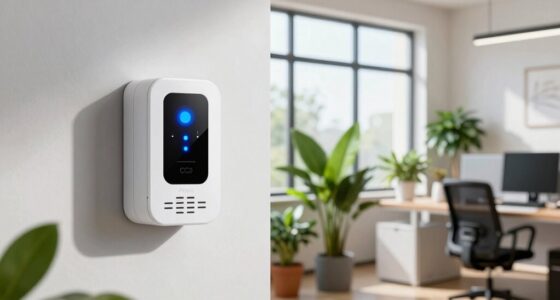
- Sensors detect hazards like humidity or air quality issues, preventing mold and maintaining safe indoor environments.
- Remote monitoring and alerts notify homeowners of weather-related damage or vulnerabilities for quick response.
- Backup power systems and automated protective actions ensure continuous safety and security during severe weather events.

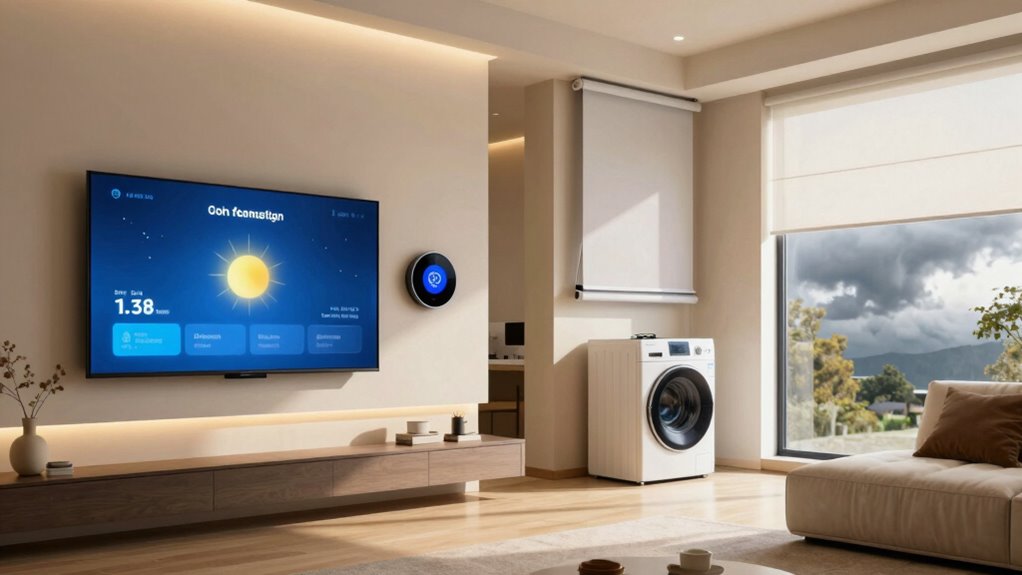
As extreme weather events become more frequent, smart homes are emerging as essential tools to safeguard your property and guarantee safety. When storms, heatwaves, or cold snaps hit, your smart home can respond proactively to protect your belongings and maintain a secure environment. One of the key ways it does this is through enhanced energy efficiency. Smart thermostats and automated climate control systems adjust temperatures based on real-time weather data, ensuring your home stays comfortable without wasting energy. During a heatwave, these systems can lower cooling costs by optimizing airflow and reducing unnecessary energy use, which can be critical when power grids are strained. Conversely, in cold weather, they can activate heating efficiently to prevent pipes from freezing, saving you money and avoiding costly damages. Incorporating child safety features such as smart sensors that detect potential hazards can further enhance your home’s resilience during extreme conditions. Additionally, integrating weather-responsive automation can help your home adapt more seamlessly to sudden weather shifts, enhancing overall protection. Implementing smart sensors that monitor humidity and air quality can also prevent issues like mold growth during damp conditions, adding an extra layer of safety. Regular updates and maintenance of your smart system are vital to ensure all components function correctly during emergencies, especially as technology evolves and new threats emerge.
Security systems also play a pivotal role in preparing your home for extreme weather. Automated surveillance cameras, smart doorbells, and motion sensors keep you connected to your property from anywhere. During storms, these devices can alert you to potential damage or intrusions, even if you’re away. If a hurricane knocks out power, backup batteries ensure your security system remains operational, giving you peace of mind. Some systems can automatically lock doors and close windows when severe weather is detected, minimizing the risk of water intrusion or wind damage. You can also program alerts to notify emergency services or neighbors if something suspicious happens, bolstering your home’s defenses during vulnerable times.
Smart homes also incorporate weather alerts and automation to react swiftly to changing conditions. You receive real-time notifications about severe weather, enabling you to take immediate action, like unplugging appliances to prevent power surges or shutting off the main water supply to prevent flooding. Automated window treatments, such as smart blinds or shutters, can be activated remotely or on a schedule, shielding windows from hail or flying debris. This combination of energy efficiency measures and security systems ensures your home is resilient, reducing the impact of extreme weather and helping you respond effectively. Building a resilient infrastructure within your smart home can further enhance its ability to withstand unpredictable weather patterns and climate-related risks.
smart thermostat for extreme weather
As an affiliate, we earn on qualifying purchases.
As an affiliate, we earn on qualifying purchases.
Frequently Asked Questions
How Do Smart Homes Detect Impending Weather Disasters?
You rely on your smart home’s weather forecasting and sensor calibration to detect impending weather disasters. Advanced sensors monitor temperature, humidity, and barometric pressure, providing real-time data. When these sensors detect unusual patterns, the system alerts you early about potential storms, floods, or extreme conditions. This proactive approach helps you prepare in advance, giving you peace of mind and ensuring your home stays safe during unpredictable weather events.
Can Smart Home Devices Operate During Power Outages?
You might worry smart home devices stop working during power outages, but many are equipped with backup power sources like batteries or generators. This guarantees device resilience, allowing your smart systems to operate continuously even when the grid fails. With backup power, you can control climate, security, and safety features remotely, giving you peace of mind and maintaining home automation during extreme weather or outages.
Are Smart Home Systems Weather-Resistant or Vulnerable to Damage?
Smart home systems are generally vulnerable to weather damage if not properly protected. However, many devices now feature weatherproof coatings and storm-resistant sensors, making them more durable against harsh conditions. You should guarantee your system’s outdoor components are protected with weatherproof coatings, and consider installing storm-resistant sensors to safeguard against extreme weather. Proper maintenance and choosing weather-resistant devices help your smart home stay functional during severe weather events.
How Is Data Security Maintained During Extreme Weather Events?
During extreme weather events, you maintain data security by ensuring your smart home devices follow robust cybersecurity protocols and use strong data encryption. You should update firmware regularly, change default passwords, and enable multi-factor authentication. These steps protect your personal information from cyber threats, even when weather conditions are challenging. By actively managing cybersecurity measures, you keep your smart home safe and secure, regardless of external weather disruptions.
Do Smart Homes Require Regular Maintenance After Severe Weather?
Yes, after severe weather, you should perform routine inspections and system updates on your smart home. Imagine your devices, like sensors and controllers, battered by wind or rain, needing a check-up. Regular maintenance guarantees they operate smoothly, updating firmware to patch vulnerabilities or improve functions. By staying vigilant, you keep your smart home resilient, safeguarding your comfort and security against future storms.
As an affiliate, we earn on qualifying purchases.
Conclusion
As you embrace the future of living, your smart home becomes more than just a convenience—it’s your sanctuary amid nature’s fury. With intelligent systems that adapt seamlessly, you’re not merely surviving extreme weather; you’re outwitting it. Like a fortress built with foresight, your home’s technology stands guard, turning chaos into calm. So, when storms threaten, remember: your smart home isn’t just prepared; it’s your steadfast partner in weathering any storm.
As an affiliate, we earn on qualifying purchases.
weather alert smart security system
As an affiliate, we earn on qualifying purchases.
As an affiliate, we earn on qualifying purchases.
Fall yard work Picks
leaf blowers
As an affiliate, we earn on qualifying purchases.