TL;DR

Get home appliances delivered free with Prime
- Fast, free delivery on millions of items
- Prime Video, Amazon Music and more included
- Member-only deals all year
Smart home energy monitors track your electricity consumption in real-time, breaking down usage by device or circuit. They reveal hidden energy wasters, enabling smarter decisions and cost savings. Recent tech improvements make them more accurate, easy to install, and compatible with smart homes and renewable energy systems.
Smart home energy monitors provide real-time, detailed insights into your household’s power use, helping you cut waste and save money.
Installation varies from simple clamp-on sensors to more complex wired systems, so pick one that matches your DIY comfort and needs.
Recent advances in AI and hardware have made these monitors more accurate, easier to use, and better integrated with smart home setups.
Using a monitor can typically reduce your energy bills by 12-15% annually, just by identifying and changing inefficient habits.
Always check compatibility, security, and privacy features before buying to ensure your investment is safe and effective.
What Exactly Do Smart Home Energy Monitors Do for You?
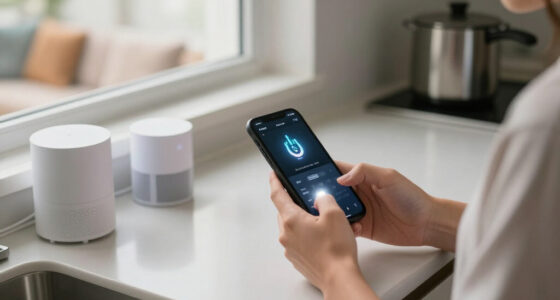
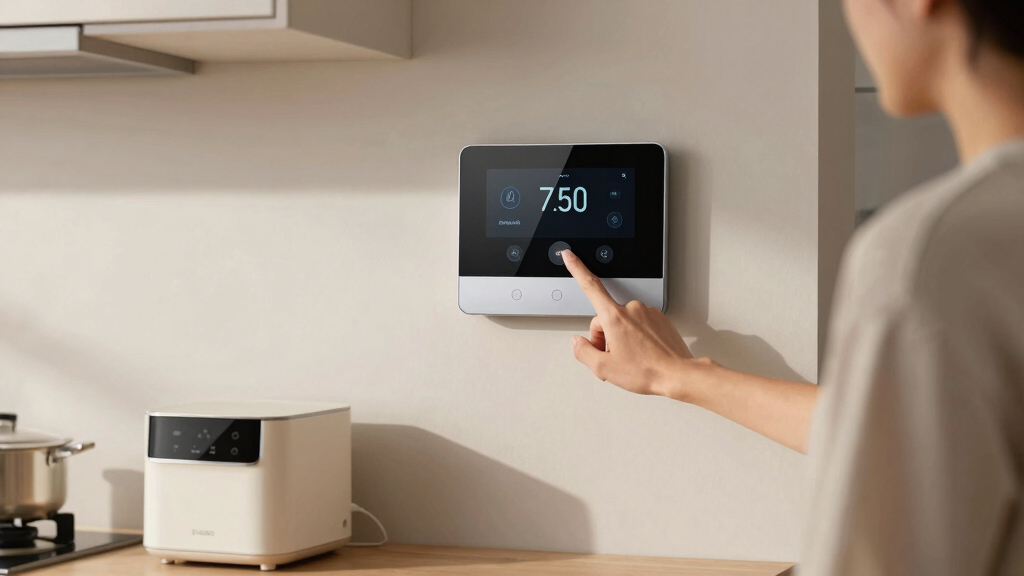
Smart home energy monitors are devices that give you a real-time snapshot of your household’s electricity use. Imagine glancing at your phone and seeing your laundry machine gulping power during peak hours or your fridge running constantly. They track this data via sensors clamped onto your main breaker or plugged into outlets, then display it on easy-to-read dashboards.
For example, a popular clamp-on monitor might show your living room TV drawing 150 watts when on, and your high-efficiency dryer using 3,000 watts during a quick cycle. With this info, you can identify which appliances are energy hogs and when they run most efficiently.
This detailed breakdown helps you target waste, shift usage to cheaper times, or even decide to replace old appliances. It’s like having a personal energy detective right in your home.
Understanding these details matters because it allows you to prioritize which appliances to upgrade or modify. For instance, if your monitor shows your heating system consumes 30% of your total energy, you might consider investing in a more efficient model or adding insulation. The insights can also reveal habits that lead to unnecessary waste, prompting behavioral changes that save money and reduce environmental impact. However, tradeoffs exist: more detailed systems may require higher upfront costs or complex installation, and interpreting the data effectively takes some learning. Choosing the right monitor depends on finding a balance between depth of insight and ease of use for your specific goals.
As an affiliate, we earn on qualifying purchases.
How Do These Devices Actually Work in Your Home?
Smart home energy monitors typically use either clamp-on sensors or plug-in modules. Clamp-on monitors wrap around your main cables without any wiring work — just clip, connect to Wi-Fi, and start tracking. Plug-in versions plug into outlets and monitor specific devices.
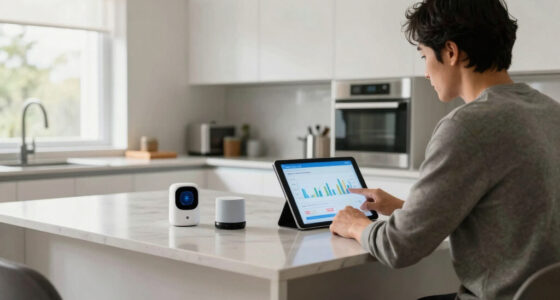
Once installed, they transmit data wirelessly to your smartphone or web dashboard. Some models use Wi-Fi, others Zigbee or Z-Wave for smart home integration. This setup allows you to see continuous updates on your energy use, often with detailed graphs and alerts.
For example, a homeowner might notice that their electric water heater consumes 4 kWh daily, even when not in use. That insight could lead to installing a timer or upgrading to a more efficient model.
Understanding how these devices work helps you evaluate their reliability and potential limitations. Clamp-on sensors are non-invasive and easy to install but might lack the precision of wired systems. Wired monitors can provide more detailed data but come with higher installation complexity and cost. The choice affects your ability to diagnose issues accurately, especially in complex electrical setups. For instance, if your home has a solar power system, you’ll want a monitor that can accurately track both consumption and generation, which may require more advanced hardware. Recognizing these technical nuances ensures you select a device that truly meets your household’s needs and helps you avoid costly mistakes or underperforming equipment.
electricity usage monitor for home
As an affiliate, we earn on qualifying purchases.
As an affiliate, we earn on qualifying purchases.
Compare the Best Types of Smart Energy Monitors — Which Fits You?
| Type | Ease of Installation | Cost Range | Best For |
|---|---|---|---|
| Whole-Home Clamp-On Monitors | Easy, DIY-friendly | $100 – $300 | Large households, detailed circuit analysis |
| Plug-In Outlets Monitors | Very easy, plug-and-play | $50 – $150 | Targeting specific devices or small setups |
| Smart Panel or In-Wire Monitors | Requires professional wiring | $200 – $500+ | Advanced energy management, integration with solar |
Choosing the right monitor depends on your DIY comfort, budget, and what you want to achieve. For instance, clamp-on models are perfect if you want quick setup without messing with wires, while in-panel systems suit tech-savvy homeowners with renewable energy setups. Consider the tradeoffs: clamp-on monitors are less invasive but may offer less detailed data, whereas wired systems provide comprehensive insights but at higher installation complexity and cost. Think about your long-term goals—if you plan to expand your smart home or add solar, investing in a more integrated system might be worthwhile. The key is aligning the device’s capabilities with your household’s energy management priorities to ensure you get the most value from your investment.
As an affiliate, we earn on qualifying purchases.
What Can You Actually Save by Using a Smart Energy Monitor?
Many users report cutting their energy bills by an average of 12-15% within a year of regular monitoring. But beyond the numbers, these savings demonstrate a fundamental shift in how households manage energy. Recognizing inefficient appliances—like an aging refrigerator that consumes 600 kWh annually—can motivate replacements that drastically reduce ongoing costs. The real power lies in behavioral adjustments: turning off devices in standby mode, running appliances during off-peak hours, or upgrading to more efficient models. Each small change, when scaled across a household, compounds into significant savings. Additionally, understanding usage patterns can help you identify hidden costs, such as leaks or faulty wiring, that might otherwise go unnoticed. The implication is that investing in a monitor can lead to smarter energy habits, lower bills, and a more sustainable home—making it a worthwhile consideration for any homeowner aiming to optimize costs and environmental impact.
Tradeoffs include the initial expense of the device and the learning curve involved in interpreting data. Nonetheless, the long-term financial and environmental benefits tend to outweigh these costs, especially as technology continues to improve in accuracy and usability.
As an affiliate, we earn on qualifying purchases.
Latest Tech Features Making Monitors Smarter Than Ever
Today’s smart energy monitors use AI and machine learning to analyze your habits and give tailored recommendations. For example, a monitor might suggest running your dishwasher after 9 pm, when electricity is cheaper, based on your past usage.
Hardware improvements mean higher accuracy and easier installation. Wireless sensors with high-resolution data can detect even small fluctuations, helping you spot issues before they become costly repairs.
Many models now sync seamlessly with smart home platforms like Alexa or Google Home, letting you check energy stats with voice commands. Plus, integration with solar systems helps you optimize self-generated energy, reducing reliance on the grid.
Some monitors now support bidirectional communication with the grid, enabling participation in demand response programs that pay you to reduce consumption during peak times.
These advanced features are game-changers because they allow households to actively manage and respond to their energy consumption in real-time. AI-driven insights can uncover patterns that humans might miss, such as seasonal variations or device-specific inefficiencies. The ability to integrate with other smart home devices creates a holistic system that maximizes savings and sustainability. However, these features often come with higher costs and complexity, which may require a learning curve or professional setup. Weighing the benefits of these smart features against their costs is crucial for making an informed purchase that aligns with your household’s energy goals.
What You Should Know Before Buying a Smart Home Energy Monitor
Before picking a model, consider compatibility with your home’s electrical system and smart devices. Check if it supports your energy provider or solar setup. Also, assess your DIY skills — some systems are simple to install, others need a professional touch.
Price varies widely, from around $50 to over $500. Think about what features matter most: detailed appliance-level insights, alerts, or smart home integration.
Security is key. Opt for brands with strong encryption and privacy controls. Read reviews and verify customer support options. A good monitor should last years and respect your data privacy as fiercely as your home’s safety.
Understanding these factors ensures you select a device that not only integrates seamlessly with your existing setup but also provides the security and reliability you need. For example, if you have a smart thermostat or home automation system, verify that the energy monitor can communicate with them to create a cohesive management platform. Consider future upgrades—investing in a versatile system can save you from replacing hardware later. Weighing these technical and security considerations will help you avoid costly mistakes and ensure your investment delivers long-term value.
Frequently Asked Questions
How do smart home energy monitors actually work?
They use sensors—either clamp-on or plug-in—to measure electrical current and voltage, then send that data wirelessly to your smartphone or web app. This setup creates a live picture of your energy use.Can I install these myself, or do I need an electrician?
Many clamp-on models are DIY-friendly and require no wiring, just clip and connect. More advanced systems may need professional installation, especially if wiring into your panel or solar setup.Will a smart energy monitor really save me money?
Yes, by revealing wasteful appliances and usage patterns, many homeowners cut 12-15% off their energy bills annually. Small behavioral changes can lead to big savings over time.Are these monitors compatible with my smart home devices?
Compatibility varies. Check whether the monitor supports your existing platforms (like Alexa or Google Home). Most newer models are designed to work seamlessly with popular systems.Is my data safe with these devices?
Reputable brands encrypt your data and prioritize privacy. Always review privacy policies before purchase, and choose devices with strong security features to protect your household info.Conclusion
A smart home energy monitor is like giving your home a health report — revealing hidden costs and waste. With the right device, you can cut bills, extend your appliances’ lifespan, and shrink your carbon footprint. It’s a small device that makes a big difference — so why not start today?Halloween Picks
halloween
As an affiliate, we earn on qualifying purchases.