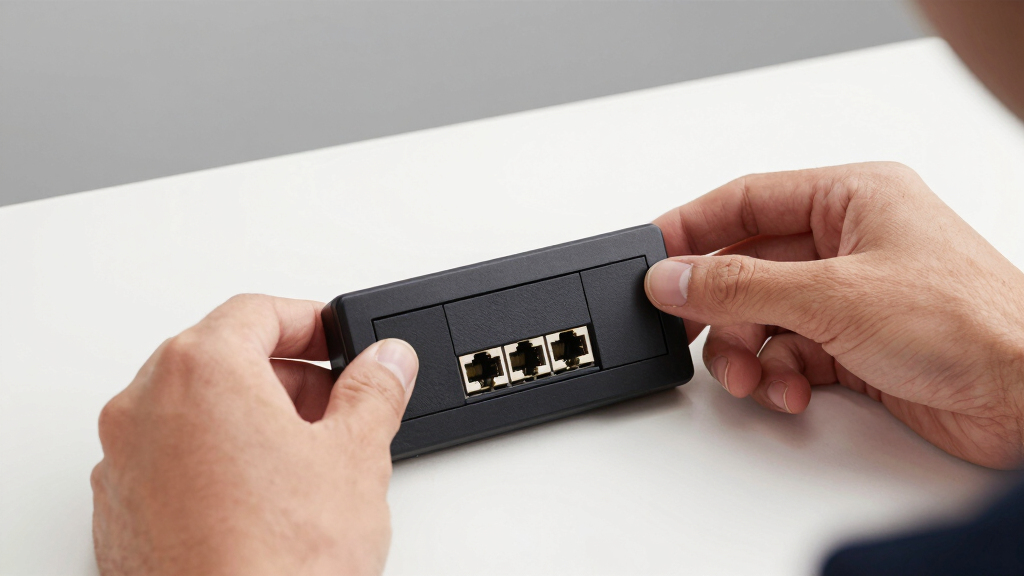

Choosing the best PoE switch for cameras involves balancing power, performance, and ease of installation. The TP-Link TL-SG116P stands out as the overall top pick for its reliable performance and straightforward setup. For those on a tighter budget, the TP-Link LS108GP offers solid value with enough ports for small systems, while the Reolink 10-Port PoE Switch provides excellent scalability for expanding surveillance networks. The main tradeoffs in this category often involve balancing port count, power budget, and manageability. Keep reading for a detailed breakdown of the top choices and what makes each one suitable for different needs.

Get home appliances delivered free — and shop member deals
- Fast, free delivery on millions of items
- Access to Prime Big Deal Days deals on October 6–7
- Prime Video, Amazon Music and more included
Key Takeaways
- The number of PoE ports significantly impacts scalability, with 8-16 ports covering most home and small business setups.
- Power budget per port varies, influencing compatibility with high-power cameras and future expansion.
- Managed switches offer more control and monitoring but come at a higher cost compared to unmanaged options.
- Build quality and brand reputation correlate with longer lifespan and reliable performance.
- Pricing often reflects features like port count, power capacity, and management capabilities, so consider your long-term needs.
| TP-Link TL-SG116P 16-Port Gigabit PoE Switch |  | Best Overall for Large Camera Deployments | Number of Ports: 16 | PoE Power Budget: 120W | PoE Standard: 802.3at/af | VIEW LATEST PRICE | See Our Full Breakdown |
| TP-Link LS108GP 8-Port PoE Gigabit Ethernet Switch |  | Best for Small Office or Home Camera Systems | Number of Ports: 8 | PoE Support: Yes, PoE+ (802.3at/af) | PoE Power per Port: 30W | VIEW LATEST PRICE | See Our Full Breakdown |
| Reolink 4+1-Port PoE Switch for Home & Business |  | Best for Small, Flexible Camera Setups | Number of Ports: 5 | Supported Speeds: 10/100/1000 Mbps | PoE Standards: IEEE 802.3af/at | VIEW LATEST PRICE | See Our Full Breakdown |
| 8 Ports PoE+ Ethernet Switch with 2 Uplink Ports, 120W Power |  | Best for Small to Medium Business or Home Office | Number of Ports: 10 | PoE Ports: 8 | Uplink Ports: 2 | VIEW LATEST PRICE | See Our Full Breakdown |
| TP-Link TL-SG1218MP 16-Port Gigabit PoE Switch |  | Best for High-Performance Small Business Networks | Number of Ports: 16 | PoE Power Budget: 250W | PoE Standards: 802.3at/af | VIEW LATEST PRICE | See Our Full Breakdown |
| TP-Link TL-SG1005P 5-Port Gigabit PoE Switch |  | Best for Small-Scale, Quiet Installations | Number of Ports: 5 | PoE Ports: 4 PoE+ | PoE Power per Port: 30W | VIEW LATEST PRICE | See Our Full Breakdown |
| REOLINK 10-Port PoE Switch with 8 PoE and 2 Uplink Ports |  | Best for Expanding Camera Networks | Number of PoE Ports: 8 | Gigabit Uplink Ports: 2 | Power Budget: 120W | VIEW LATEST PRICE | See Our Full Breakdown |
More Details on Our Top Picks
TP-Link TL-SG116P 16-Port Gigabit PoE Switch
The TP-Link TL-SG116P stands out as the best choice for larger surveillance setups thanks to its 16 ports and robust 120W PoE+ power budget. Compared with the TP-Link TL-SG1218MP, it offers more ports for extensive camera networks but lacks the advanced QoS features and metal casing that make the TL-SG1218MP suitable for high-demand environments. Its fanless design ensures silent operation, a key advantage in quiet spaces like offices or homes. However, configuring PoE auto recovery can be tricky for less experienced users, and in Extend Mode, speeds may drop to 10 Mbps, affecting bandwidth-heavy cameras. This switch is ideal for those needing a high-capacity, silent, and reliable solution, especially in larger installations where managing multiple PoE devices is critical.
Pros:- Supports high power PoE+ for multiple devices
- Fanless design ensures silent operation
- Extended transmission range up to 250 meters in Extend Mode
- Includes priority and isolation modes for network management
Cons:- Requires configuration for PoE auto recovery
- Speed may downgrade to 10 Mbps in Extend Mode
Best for: Large-scale camera networks in commercial or institutional settings with technical expertise.
Not ideal for: Small setups or users seeking plug-and-play simplicity without configuration needs.
- Number of Ports:16
- PoE Power Budget:120W
- PoE Standard:802.3at/af
- Data Transfer Rate:Gigabit (10/100/1000 Mbps)
- Extend Mode Range:250 meters
- Fanless:Yes
Bottom line: This switch suits large, professionally managed camera setups where capacity and silent operation are priorities.
TP-Link LS108GP 8-Port PoE Gigabit Ethernet Switch
The TP-Link LS108GP offers a compact, silent solution for smaller camera networks or home security setups. Its 8 ports and 65W total PoE budget are adequate for powering several cameras without overwhelming a typical small office or residence. Compared to the 16-port TP-Link TL-SG116P, it is less suited for large deployments but excels in ease of use and space-saving design. Its plug-and-play approach makes it perfect for non-technical users, though the limited total PoE power and unmanaged features restrict scalability. Extended transmission distance up to 820 ft in Extend Mode makes it flexible for varied installations, but the limited PoE budget means fewer high-power devices can be connected simultaneously. This switch is an excellent choice for straightforward, small-scale surveillance needs.
Pros:- Compact and silent fanless design
- Supports high PoE power and extended transmission distance
- Easy plug-and-play setup
Cons:- Limited to unmanaged switch features
- PoE power limited to 65W total
Best for: Homeowners or small business owners with modest camera networks needing simple deployment.
Not ideal for: Larger security systems requiring extensive management or high PoE power for many cameras.
- Number of Ports:8
- PoE Support:Yes, PoE+ (802.3at/af)
- PoE Power per Port:30W
- PoE Total Budget:65W
- Switching Capacity:16 Gbps
- Transmission Distance:Up to 820 ft
Bottom line: This switch makes sense for small, straightforward camera deployments where simplicity and silence matter most.
Reolink 4+1-Port PoE Switch for Home & Business
The Reolink 4+1-Port offers a compact yet capable solution tailored for small setups where gigabit speed and surge protection are valued. Its 5 ports, with 4 dedicated PoE+ ports supporting 65W total, make it suitable for a handful of cameras and small access points. Compared to larger switches like the TP-Link TL-SG116P, it sacrifices ports but gains in portability and ease of mounting. The support for surge protection and smart power management enhances reliability, especially in environments prone to power fluctuations. However, the need for higher-quality cables for Extend Mode and a limited port count make it less suitable for expanding networks. It is best for small, protected environments needing dependable gigabit data and power transfer without complexity.
Pros:- Supports high-speed gigabit transfer
- Smart power management prevents overloads
- Durable metal housing with surge protection
- Flexible mounting options
Cons:- Extend Mode requires Cat5E or higher cables
- Limited to 5 ports, not scalable for large systems
Best for: Small offices or home security setups with a handful of cameras and surge protection needs.
Not ideal for: Large surveillance networks or setups requiring managed network features.
- Number of Ports:5
- Supported Speeds:10/100/1000 Mbps
- PoE Standards:IEEE 802.3af/at
- Power Budget:65W
- Extend Mode Distance:up to 820 ft
- Housing Material:Metal
Bottom line: This switch is ideal for small, reliable camera systems in protected environments with limited expansion needs.
8 Ports PoE+ Ethernet Switch with 2 Uplink Ports, 120W Power
The 8 Ports PoE+ Ethernet Switch offers a straightforward, unmanaged setup with 8 PoE+ ports and 2 uplinks, making it suitable for small to medium-sized camera systems. Its 120W total PoE power supports multiple high-power cameras, surpassing the TP-Link LS108GP in total capacity. While it lacks managed features like QoS, its plug-and-play design simplifies deployment, and its durable metal construction ensures longevity. The 100Mbps per port speed may limit bandwidth for high-resolution cameras, unlike gigabit switches, but for most small to medium setups, it strikes a good balance. Extended transmission distances up to 250 meters make it versatile for different environments. It’s best for those needing reliable power and straightforward operation without network complexity.
Pros:- Supports high power output of 120W for multiple PoE devices
- Easy plug-and-play setup
- Supports extended transmission distance
- Durable metal casing
Cons:- Limited to 100Mbps speeds per port
- No managed network features
Best for: Small to medium businesses or home users with a moderate number of cameras and basic networking needs.
Not ideal for: High-bandwidth or large-scale surveillance systems needing gigabit speeds and managed features.
- Number of Ports:10
- PoE Ports:8
- Uplink Ports:2
- Speed per Port:100Mbps
- Total Power:120W
- Transmission Distance:up to 250 meters
Bottom line: This switch is well-suited for small-to-medium setups where power and simplicity outweigh speed and advanced management.
TP-Link TL-SG1218MP 16-Port Gigabit PoE Switch
The TP-Link TL-SG1218MP combines high port density with a substantial 250W PoE budget, making it ideal for demanding small business security systems. Its 16 gigabit ports and 2 SFP slots provide high-speed data transfer and flexibility for network expansion. Compared to the 8-port TP-Link LS108GP, this model offers managed features like QoS and VLANs, enabling better traffic prioritization for security cameras. Its sturdy metal case and 3-year warranty add to its reliability, though its lack of fanless operation means it may generate some noise under load. It’s best suited for users who need a capable, scalable network with advanced management, but it may be overkill for very small or simple setups.
Pros:- High PoE power budget supports many devices
- Managed features for traffic control
- Durable metal casing with reliable heat dissipation
- Easy setup with plug-and-play design
Cons:- Limited to network and PoE applications, not suitable for non-technical users
- No fanless operation, potential for noise
Best for: Small businesses or tech-savvy users seeking managed PoE solutions with high capacity.
Not ideal for: Home users or those with minimal networking experience who prefer plug-and-play devices.
- Number of Ports:16
- PoE Power Budget:250W
- PoE Standards:802.3at/af
- Speed:10/100/1000 Mbps
- Setup:Plug and Play
- Warranty:3 years
Bottom line: This switch is best for small business environments requiring high capacity, managed features, and reliable performance.
TP-Link TL-SG1005P 5-Port Gigabit PoE Switch
This switch makes a compelling choice for setups requiring a simple, fanless design, thanks to its 5 ports with 4 PoE+ options. It’s less suited for large or expanding networks compared to the REOLINK 10-Port switch because of its limited port count. Its durability and silent operation are significant advantages in office or home environments, but the absence of advanced management features like VLANs limits customization. Compared with the REOLINK model, it’s more straightforward but less scalable. It’s ideal for small camera systems where simplicity and quiet operation matter most.
Pros:- Plug-and-play setup for quick deployment
- Fanless, silent operation
- Metal casing offers durability
Cons:- Limited to 5 ports, less scalable for growing needs
- No managed switch features for advanced configuration
Best for: Small business or home users needing reliable, silent PoE connectivity
Not ideal for: Large surveillance setups or users wanting advanced network controls
- Number of Ports:5
- PoE Ports:4 PoE+
- PoE Power per Port:30W
- Total PoE Power Budget:65W
- Switch Type:Desktop
- Casing Material:Metal
Bottom line: This makes sense for small, quiet installations but isn’t suitable for larger or more complex networks.
REOLINK 10-Port PoE Switch with 8 PoE and 2 Uplink Ports
Compared to the TP-Link 5-Port, the REOLINK 10-Port switch offers greater capacity with 8 PoE ports and a robust 120W power budget, making it ideal for larger camera setups. Its flexible mounting options and intelligent power management help prevent overloads, providing a reliable solution for security systems. While it lacks advanced management features found in higher-end switches like VLAN support, it’s easier to set up and ideal for users who need a straightforward, scalable option. Its higher power capacity makes it the better choice for multiple high-power cameras, but the limited management controls could be a drawback for more complex environments.
Pros:- Plug-and-play setup simplifies deployment
- Supports high power output with 120W budget
- Flexible mounting options for various environments
- Supports multiple PoE standards for compatibility
Cons:- Limited to 8 PoE devices simultaneously
- No advanced management features like VLANs or SNMP
- Desktop or wall mount only, no rack options
Best for: Security installers or homeowners expanding their IP camera systems
Not ideal for: Large enterprise networks requiring detailed management features
- Number of PoE Ports:8
- Gigabit Uplink Ports:2
- Power Budget:120W
- PoE Standard:IEEE 802.3af/at
- Max Power per Port:30W
- Form Factor:Desktop/Wall Mount
Bottom line: This switch suits expanding camera networks well, especially where ease of use and power are priorities, but not for highly managed setups.

How We Picked
In evaluating the best PoE switches for cameras, I focused on key factors that matter to security system users: reliable power delivery, port flexibility, ease of setup, and build quality. Price was balanced against features, ensuring options represent good value at various tiers. Managed versus unmanaged capabilities were considered based on user needs for control and scalability. Ultimately, the ranking reflects a combination of performance, versatility, and user-friendliness, with top picks excelling across these areas while also considering potential tradeoffs like cost and complexity.Factors to Consider When Choosing Best Poe Switch For Cameras
When selecting the best PoE switch for cameras, understanding a few core factors can help you make a more informed choice. These switches are the backbone of your surveillance network, so balancing power, ports, and management features is key. Here are the main considerations to keep in mind beyond just the specifications listed.Port Count and Network Scale
The number of ports determines how many cameras you can connect directly. Smaller setups might get by with 5-8 ports, but larger systems or future expansion calls for 16 or more ports. Planning ahead can prevent needing a switch upgrade later, which saves time and money. Keep in mind that more ports typically mean a higher price, so match your choice to your current and expected needs.
Power Budget and Camera Compatibility
The total power capacity (measured in watts) determines how many high-power cameras can be powered simultaneously. If you have PTZ cameras or models requiring more wattage, verify that the switch’s power budget exceeds their requirements. Underpowered switches might not support your entire system, leading to instability or the need for additional hardware, which adds complexity and cost.
Managed vs. Unmanaged Switches
Managed switches provide advanced features like VLAN segmentation, traffic monitoring, and remote management, which are valuable for larger or security-focused setups. Unmanaged switches are simpler and often more affordable, making them suitable for basic surveillance needs. Choosing between them involves considering your technical comfort level and whether you need fine control over network traffic.
Build Quality and Longevity
Investing in a well-built switch from reputable brands can pay off over time through greater reliability and fewer failures. Look for switches with sturdy enclosures, good ventilation, and positive user reviews regarding durability. Cheaper or poorly made models might save money upfront but could require replacement sooner, increasing overall costs.
Price and Future-Proofing
While budget switches can handle basic setups, investing a bit more in a higher-tier model may provide better scalability, power capacity, and features. Consider your long-term plans: if you anticipate expanding your camera system or adding features like PoE+ support, selecting a more capable switch now can prevent the hassle of upgrading later. Balance your current needs with potential growth.
Frequently Asked Questions
Can I add a PoE switch to an existing network with non-PoE devices?
Yes, you can integrate a PoE switch into an existing network that includes non-PoE devices. The switch will only deliver power to connected PoE-compatible cameras and devices, while other equipment will operate normally without power. Just ensure your network switch or router has enough capacity and ports to accommodate your entire setup, including the new PoE switch.
What’s the difference between a managed and unmanaged PoE switch for cameras?
Managed switches give you control over network traffic, security features, and remote management options, which can be valuable for larger security systems or enterprise setups. Unmanaged switches are plug-and-play devices that require no configuration, making them suitable for simple or small-scale camera installations. Your choice depends on whether you need advanced features or prefer a straightforward setup.
How do I determine the right power budget for my cameras?
Start by checking each camera’s power requirement, usually listed in watts. Add these together to get a total power demand, then choose a switch with a slightly higher power budget to ensure reliable operation and future expansion. Overlooking this can lead to cameras not powering on or system instability, especially if you add new cameras later.
Is it better to buy a larger switch than I currently need?
Generally, yes. Opting for a switch with more ports and higher power capacity than your immediate needs can provide room for future expansion, saving you from buying a new switch later. However, larger switches tend to cost more and can be more complex to manage, so balance your growth expectations with your budget and technical comfort level.
Should I prioritize a certain brand for longevity and support?
Yes, sticking with reputable brands like TP-Link or Reolink often ensures better build quality, reliable performance, and accessible support. These companies typically have a track record of producing durable switches with firmware updates and customer service. Cheaper or lesser-known brands might save money initially but could lead to issues down the line.
Conclusion
For most users, the TP-Link TL-SG116P offers excellent overall performance with a good balance of features and price, making it ideal for small to medium setups. Those seeking maximum scalability and advanced features should consider the TP-Link TL-SG1218MP as a premium choice. Beginners or those with simple needs might find the TP-Link LS108GP straightforward and affordable. If you’re expanding an existing security system, the Reolink 10-Port PoE Switch provides extra ports and power capacity for growth. Ultimately, your choice depends on your current setup, future plans, and budget constraints.
Fall yard work Picks
leaf blowers
As an affiliate, we earn on qualifying purchases.