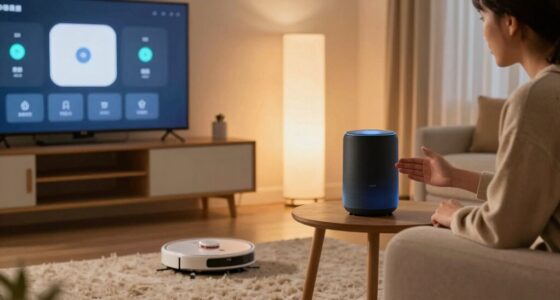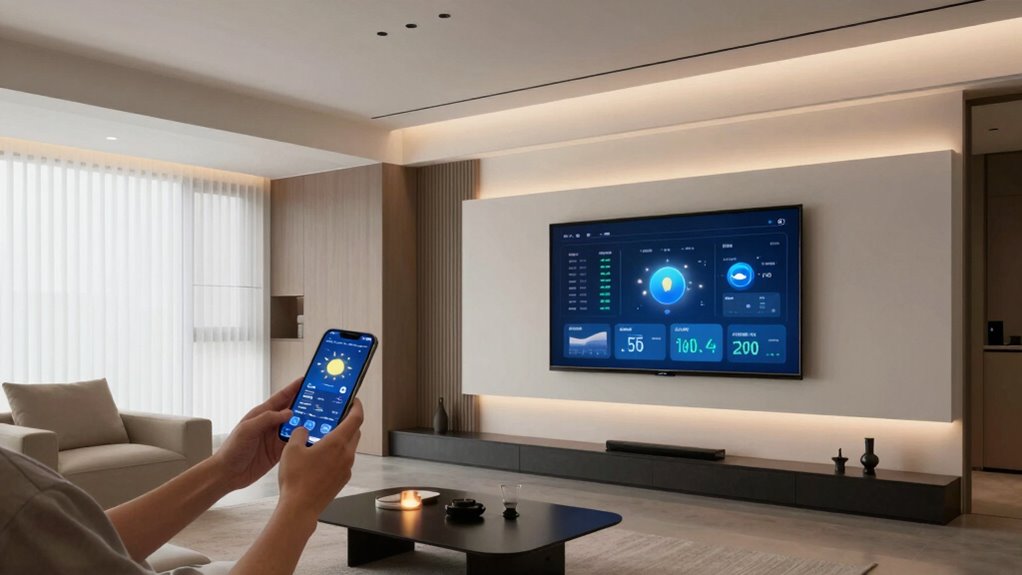
Smart homes are becoming more context-aware by using advanced sensors, artificial intelligence, and seamless device connectivity to understand your environment and routines better. They learn your habits and preferences, allowing them to automatically adjust lighting, temperature, and schedules for greater comfort. With ongoing innovations, they can interpret environmental cues accurately and respond intuitively. If you want to discover how these smart features enhance your daily life while safeguarding your privacy, keep exploring the details.

Get home appliances delivered free — and shop member deals
- Fast, free delivery on millions of items
- Access to Prime Big Deal Days deals on October 6–7
- Prime Video, Amazon Music and more included
Key Takeaways
- Integration of sensors and AI enables homes to interpret environmental cues for personalized adjustments.
- Connectivity between devices allows real-time understanding of user habits and preferences.
- Advancements in data formatting tools improve data analysis and anomaly detection.
- Continuous learning from user feedback enhances automation accuracy and comfort.
- Improved context-awareness creates seamless, intuitive living experiences while addressing privacy and security concerns.
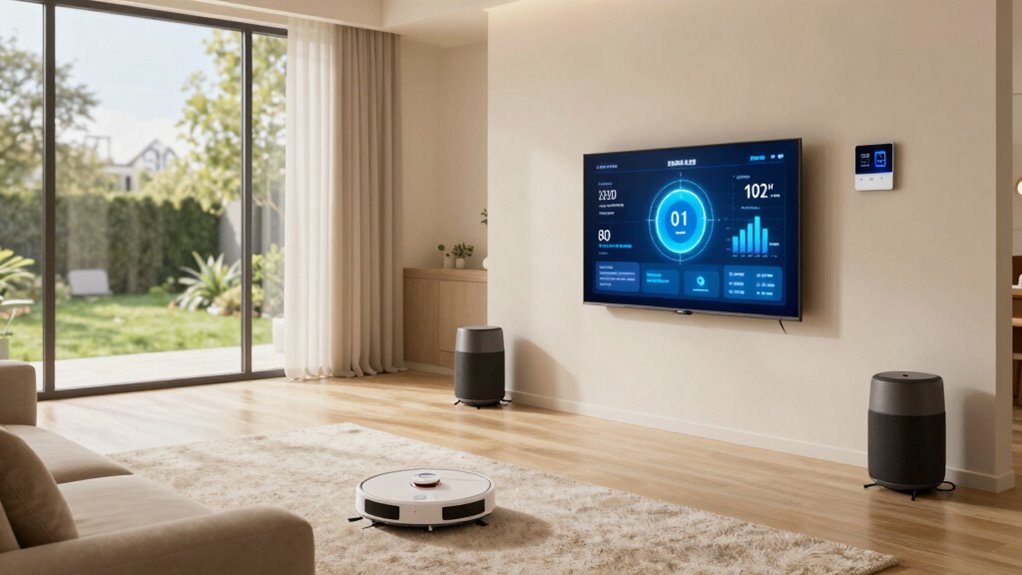
Smart homes are rapidly evolving to become more aware of their occupants’ needs and surroundings. This shift towards increased awareness is driven by advancements in sensors, artificial intelligence, and connectivity, all working together to create a seamless living experience. As your smart home learns your habits, preferences, and routines, it can adjust lighting, temperature, and even your daily schedule automatically. This level of user personalization means your environment feels more tailored to you, making daily tasks easier and more comfortable. However, this growing intelligence also raises important privacy concerns. The more data your home gathers about your habits, the greater the risk of sensitive information being exposed or misused. It’s essential to strike a balance between enjoying personalized comfort and protecting your privacy. Manufacturers are increasingly implementing security measures, such as encryption and strict data policies, but as a user, you should stay vigilant about what data your devices collect and how it’s shared. Additionally, the integration of connectivity between devices enhances the overall responsiveness of your smart home, enabling more accurate context-aware adjustments. Understanding sensor technology is also crucial, as it plays a key role in how your home perceives and reacts to environmental cues. Moreover, ongoing advancements in number formatting tools can help users better interpret data summaries and system notifications, making it easier to understand their smart home’s operations. These tools can also assist in identifying potential issues or anomalies that might otherwise go unnoticed.
The move toward context-aware smart homes is partly about making your living space smarter, but it’s also about making it more intuitive. Instead of manually adjusting settings or fiddling with multiple apps, your home anticipates your needs. It might start playing your favorite music when you wake up or lower the thermostat when you leave the house. These intelligent adjustments depend on your routines and real-time data, giving you a more natural and effortless living experience. But this also means your home needs to understand context—whether you’re home alone, hosting guests, or away—so it can respond appropriately. This requires sophisticated algorithms and sensors that can interpret complex environmental and behavioral cues, which can sometimes lead to errors or misinterpretations. That’s why transparency from manufacturers about how your data is used and robust user controls are essential. Developing privacy protection measures is critical to build trust and ensure your personal information remains secure.
In this environment, user personalization becomes the backbone of your smart home’s functionality. It’s not just about setting preferences once but about continuously adapting to changes in your lifestyle. Your devices learn from your feedback and behavior, making adjustments that feel almost automatic. As a result, your home becomes more responsive, comfortable, and efficient, saving you time and energy. However, with this level of personalization, you need to be aware of privacy implications. You should understand what information is being collected, how it’s stored, and who has access. Ultimately, a truly context-aware smart home offers incredible convenience—if you’re mindful of the privacy trade-offs involved. The future of smart living lies in balancing these aspects, ensuring your home is both intelligent and secure.
As an affiliate, we earn on qualifying purchases.
Frequently Asked Questions
How Do Context-Aware Smart Homes Protect User Privacy?
You’re protected by privacy safeguards and data anonymization in context-aware smart homes. These systems guarantee your data is encrypted and stored securely, preventing unauthorized access. They also anonymize your information, removing personally identifiable details before processing, so your privacy stays intact. By prioritizing these measures, your smart home adapts to your needs without compromising your confidentiality, giving you peace of mind while enjoying advanced automation.
What Sensors Are Most Commonly Used in These Homes?
Imagine you’re in a smart home, and sensors are like tiny spies. You’ll find motion sensors in hallways, temperature sensors near vents, and cameras for security. These sensors are thoughtfully positioned to maximize data accuracy, helping your home respond intuitively. Contact sensors on doors and window sensors add layers of security. Their placement guarantees your smart home understands your environment precisely, making your life easier and safer.
How Does Machine Learning Improve Smart Home Responsiveness?
Machine learning boosts your smart home’s responsiveness by analyzing data from sensors, enabling personalized strategies that adapt to your habits and preferences. It predicts your needs, like adjusting lighting or temperature proactively. However, you should also consider data security, ensuring your information stays protected as the system learns. This balance makes your home smarter, more intuitive, and safe, enhancing your overall comfort and convenience effortlessly.
Can Older Homes Be Easily Upgraded to Be Context-Aware?
Think of upgrading an older home to be context-aware as giving it a brain upgrade—possible but not without hurdles. You’ll face retrofit challenges, like wiring and sensor placement, much like fitting new clothes on an old frame. Cost considerations can also weigh heavily, turning this into an investment decision. While it’s doable, expect some patience and a few extra dollars to bring your vintage house into the smart, responsive future.
What Are the Main Challenges in Implementing These Systems?
You’ll face challenges like addressing privacy concerns and ensuring data security when implementing these systems. Balancing convenience with protecting personal information is tricky, as smart devices collect sensitive data. You need robust security measures to prevent hacking and unauthorized access, which can be complex and costly. Additionally, integrating various devices seamlessly and managing user consent can make deployment complicated, requiring careful planning and ongoing monitoring.
AI-enabled smart lighting system
As an affiliate, we earn on qualifying purchases.
As an affiliate, we earn on qualifying purchases.
Conclusion
As you step into your home, imagine the lights softly adjusting to your mood, the thermostat subtly shifting to your comfort, and your appliances intuitively responding to your needs. With each passing day, your smart home becomes more like a silent, attentive companion—aware of your routines, preferences, and even your emotions. This evolving awareness transforms your living space into a seamless blend of technology and comfort, turning everyday moments into effortless, personalized experiences.
smart thermostat with adaptive learning
As an affiliate, we earn on qualifying purchases.
As an affiliate, we earn on qualifying purchases.
privacy-focused smart home devices
As an affiliate, we earn on qualifying purchases.
As an affiliate, we earn on qualifying purchases.
Fall yard work Picks
leaf blowers
As an affiliate, we earn on qualifying purchases.