
If you’re searching for the best smart garage door sensor, you’re likely looking for a device that offers reliable alerts and seamless integration with your smart home system. Our top overall pick is the YoLink Smart Garage Door Sensor, praised for its durability and clear notifications. The Chamberlain Smart Garage Control stands out for its easy setup and comprehensive control options. A common tradeoff in this category is balancing affordability against features like real-time alerts and compatibility. Continue reading for a detailed comparison that will help you find the perfect fit for your home.
Key Takeaways
- Top sensors combine reliable connectivity with straightforward installation, making them suitable for both beginners and experienced users.
- Compatibility with popular smart home ecosystems like Alexa, Google Assistant, and SmartThings is a key factor for seamless integration.
- Sensors with customizable alerts and remote control features tend to offer better value but may come at a higher price point.
- Durability and battery life vary significantly; top picks prioritize long-lasting, weather-resistant designs.
- Price range is broad, so balancing features against your budget is essential to avoid overspending on unnecessary capabilities.
| meross Smart WiFi Garage Door Opener Remote, App Control, Works with Alexa, Google Assistant and SmartThings, No Hub Needed |  | Best Overall Smart Garage Door Sensor | Compatibility: Over 200 brands and 1600 models | Protocols: Security+ 1.0 and 2.0 | WiFi Support: 2.4GHz only | VIEW LATEST PRICE | See Our Full Breakdown |
| YoLink Smart Garage Door Sensor with Door Left-Open Reminders |  | Best for Advanced Monitoring and Automation | Compatibility: Alexa, Google Assistant, IFTTT, Home Assistant | Hub Required: Yes | Sensor Type: Garage Door Position Sensor | VIEW LATEST PRICE | See Our Full Breakdown |
| Chamberlain Smart Garage Control – Wireless Garage Hub and Sensor with WiFi & Bluetooth | 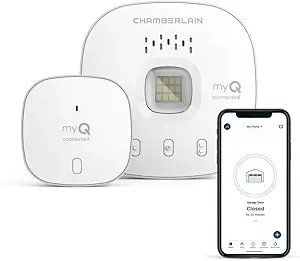 | Best for Remote Control and Scheduled Operations | Connectivity: WiFi & Bluetooth | Compatibility: Garage openers after 1993 with photoelectric sensors | App: myQ app | VIEW LATEST PRICE | See Our Full Breakdown |
| ThirdReality Zigbee Smart Garage Door Tilt Sensor with Adjustable Sensitivity |  | Best for Precise Detection and Long Battery Life | Connectivity: Zigbee 3.0 | Battery Life: Up to 2 years | Batteries: 2 AAA batteries | VIEW LATEST PRICE | See Our Full Breakdown |
| myQ Smart Garage Video Keypad with Wide-Angle Camera, Customizable PIN Codes, and Smartphone Control |  | Best Overall for Integrated Security and Remote Monitoring | Camera: Wide-Angle Surveillance Camera | Motion Detection: Advanced Motion Detection | Notifications: Real-Time Notifications via myQ app | VIEW LATEST PRICE | See Our Full Breakdown |
| LiftMaster 821LMC-SENSOR Additional Door Sensor for Smart Garage Control and myQ Smart Garage |  | Best Value for Expanding Garage Monitoring | Model: 821LMC-SENSOR | Compatibility: Smart Garage Control, myQ Smart Garage Hub, myQ Garage | Control Capacity: Up to two garage door openers per hub | VIEW LATEST PRICE | See Our Full Breakdown |
| Genie Aladdin Connect Smartphone Garage Door Opener |  | Best for Multi-Door Control and Smart Integration | Connectivity: Wi-Fi | Compatibility: Amazon Alexa, Google Assistant | Number of Doors Supported: Up to 3 | VIEW LATEST PRICE | See Our Full Breakdown |
More Details on Our Top Picks
meross Smart WiFi Garage Door Opener Remote, App Control, Works with Alexa, Google Assistant and SmartThings, No Hub Needed
This meross sensor stands out for its broad compatibility with over 200 brands and 1600 models, making it an excellent choice for those seeking a versatile and easy-to-integrate solution. Unlike the YoLink sensor, which requires a hub and offers more advanced automation, meross provides direct WiFi connectivity, simplifying setup for most users. Its high sensitivity wired sensor ensures reliable detection, and real-time notifications add a layer of security. However, it only supports 2.4GHz WiFi and lacks the newer Security+ 3.0 protocol, which could be a concern for security-focused users. Overall, this pick makes the most sense for homeowners who want straightforward, app-based control without additional hubs or subscriptions.
Pros:- Compatible with multiple smart home platforms and brands
- Remote and voice control for convenience
- Real-time notifications and status updates
Cons:- Limited to 2.4GHz WiFi networks, which may affect performance in some homes
- Does not support Security+ 3.0 protocol, potentially impacting future security standards
Best for: Homeowners seeking a reliable, easy-to-install sensor with broad compatibility and no hub requirements
Not ideal for: Tech-savvy users wanting the latest security protocols or a mesh WiFi setup, as it only supports 2.4GHz networks
- Compatibility:Over 200 brands and 1600 models
- Protocols:Security+ 1.0 and 2.0
- WiFi Support:2.4GHz only
- Sensor:High sensitivity wired sensor
- Installation:Easy to install
Bottom line: Perfect for users who want broad compatibility and simple setup without complex hub requirements.
YoLink Smart Garage Door Sensor with Door Left-Open Reminders
The YoLink sensor is designed for those who want not just door status but proactive management. It excels at reminding you if your garage door has been left open too long, thanks to customizable alerts, and integrates well with voice assistants like Alexa and Google. Unlike meross, it requires a YoLink hub, which could be a barrier for some, but this adds a layer of automation and system integration that more basic sensors lack. Its limited function—garage door monitoring—may not suit those wanting multi-purpose security, but for targeted alerts, it’s hard to beat. This sensor makes sense for homeowners who prioritize security alerts and integration with other smart home devices.
Pros:- Reminds you if the garage door is left open
- Compatible with popular voice assistants
- Can be integrated with other smart home platforms
Cons:- Requires a YoLink hub for full functionality
- Limited to garage door status unless upgraded
Best for: Users wanting detailed alerts and automation for garage door management within a broader smart home system
Not ideal for: Buyers seeking a standalone, hubless sensor or a more comprehensive security system beyond garage monitoring
- Compatibility:Alexa, Google Assistant, IFTTT, Home Assistant
- Hub Required:Yes
- Sensor Type:Garage Door Position Sensor
- Reminders:Left-open alerts with customizable duration
- Control:Monitor and optionally control garage door
Bottom line: Great for homeowners who want automated reminders and system integration for garage door security.
Chamberlain Smart Garage Control – Wireless Garage Hub and Sensor with WiFi & Bluetooth
This Chamberlain system offers comprehensive control over your garage door through the myQ app, making it ideal for those who want scheduled closures and remote operation. It differs from the meross sensor by providing direct garage door control, not just monitoring, and supports most garage openers made after 1993. While setup is straightforward with Bluetooth, it’s limited to specific models and requires a 2.4 GHz WiFi connection within 50 feet. For households with compatible garage doors, this system provides peace of mind and convenience, but it’s less suitable for owners with older or non-standard openers. Overall, this makes sense for users who want scheduled automation and remote control integrated into a single app.
Pros:- Remote control and monitoring via app
- Supports scheduled closures for added security
- Easy Bluetooth setup
Cons:- Limited compatibility with some Chamberlain or Linear models
- Requires a sectional garage door and specific system conditions
Best for: Homeowners with compatible garage doors seeking scheduled closures and remote management via smartphone
Not ideal for: Owners of older or non-compatible garage openers, or those who prefer a hubless, purely WiFi-based system
- Connectivity:WiFi & Bluetooth
- Compatibility:Garage openers after 1993 with photoelectric sensors
- App:myQ app
- System Requirements:2.4 GHz Wi-Fi, within 50 feet
- Color:White
Bottom line: Ideal for users with compatible garage doors who want scheduled control and remote monitoring in one system.
ThirdReality Zigbee Smart Garage Door Tilt Sensor with Adjustable Sensitivity
The ThirdReality Zigbee tilt sensor excels in delivering precise garage door status detection, with the added benefit of adjustable sensitivity levels that help fine-tune performance. Compared to the meross sensor, which offers wired detection, this wireless tilt sensor provides easier installation and longer battery life, lasting up to two years. Its compatibility across multiple platforms like SmartThings, Hubitat, and Apple HomeKit makes it versatile, but it demands a Zigbee hub or bridge, which might be a barrier for some. The manual sensitivity adjustments are useful but may require trial and error to optimize. This sensor makes the most sense for users who want long-term reliability, compatibility with advanced smart home setups, and detailed status alerts.
Pros:- Accurate, reliable detection with adjustable sensitivity
- Long battery life of up to 2 years
- Compatible with multiple smart home platforms
Cons:- Requires Zigbee hub or bridge for full functionality
- Additional setup complexity compared to wired sensors
Best for: Smart home enthusiasts who want reliable, long-lasting detection with customizable sensitivity and broad platform support
Not ideal for: Casual users or those who prefer simple, hub-free solutions or are not willing to invest in a Zigbee hub
- Connectivity:Zigbee 3.0
- Battery Life:Up to 2 years
- Batteries:2 AAA batteries
- Sensitivity Levels:4 adjustable levels
- Compatibility:Amazon Echo Zigbee, SmartThings, Home Assistant, Apple HomeKit, Google Home
Bottom line: Best suited for advanced smart home users seeking precise, long-term garage door monitoring with flexible settings.
myQ Smart Garage Video Keypad with Wide-Angle Camera, Customizable PIN Codes, and Smartphone Control
This myQ Video Keypad stands out for combining remote garage access with comprehensive surveillance, unlike simpler sensors like the LiftMaster 821LMC-SENSOR. Its wide-angle camera and real-time alerts provide a sense of security beyond basic open/close status, but the premium features, like AI-powered detection, require a subscription, which adds ongoing costs. It’s ideal for homeowners who want both control and visibility, yet it’s limited to specific brands and relies heavily on internet connectivity for remote features. Compared to basic sensors, it offers much more peace of mind but at a higher price point and setup complexity.
Pros:- Provides wide-angle surveillance with live feeds and recorded events
- Enables secure, customizable PIN entry for access control
- Includes real-time alerts and two-way audio for enhanced security
- Easy Bluetooth pairing for quick Wi-Fi setup
Cons:- Premium features require a monthly subscription
- Limited to certain garage door brands and models
- Dependent on stable internet connection for remote access
Best for: Homeowners seeking an all-in-one security solution with remote viewing and control, especially those with compatible openers.
Not ideal for: Renters or users with incompatible garage systems who prefer a simple, non-subscription sensor without video features.
- Camera:Wide-Angle Surveillance Camera
- Motion Detection:Advanced Motion Detection
- Notifications:Real-Time Notifications via myQ app
- Two-Way Audio:Yes
- PIN Codes:Customizable, time-specific access
- Compatibility:LiftMaster, Chamberlain, Craftsman openers after 1993
- Power Options:Battery or wired power (Power Adapter Kit available)
Bottom line: This option makes the most sense for those who want integrated security, remote viewing, and advanced control features in a single device.
LiftMaster 821LMC-SENSOR Additional Door Sensor for Smart Garage Control and myQ Smart Garage
Compared to the myQ Video Keypad, this sensor focuses solely on door status, making it a straightforward choice for monitoring multiple garage doors, especially if you already have a compatible smart hub. Its simple installation and reliable operation provide peace of mind without the added expense of video surveillance, but it requires a separate hub or control system, which can add to the overall cost. If you only need basic open/close alerts for an additional door, this sensor offers excellent value, though it’s not suitable for those seeking remote control or visual monitoring.
Pros:- Enables control and monitoring of a second garage door via the myQ app
- Easy to install and program without complex wiring
- Compatible with several LiftMaster smart garage systems
Cons:- Requires purchase of a separate Smart Garage Control or Hub
- Limited to compatible systems and hubs, restricting flexibility
- Each sensor sold separately adds to total cost
Best for: Homeowners with existing LiftMaster or myQ hubs wanting to monitor multiple garage doors cost-effectively.
Not ideal for: Users who need remote control or video monitoring, as this sensor only reports door status.
- Model:821LMC-SENSOR
- Compatibility:Smart Garage Control, myQ Smart Garage Hub, myQ Garage
- Control Capacity:Up to two garage door openers per hub
- Installation:Easy, straightforward
Bottom line: This sensor makes the most sense for those already invested in the LiftMaster ecosystem who want to expand their garage monitoring at a reasonable price.
Genie Aladdin Connect Smartphone Garage Door Opener
This Genie Aladdin Connect offers robust remote control over up to three garage doors, setting it apart from simpler sensors like the third-party tilt sensors. Its compatibility with Amazon Alexa and Google Assistant adds voice control, and scheduling features provide automated security. However, managing multiple doors requires additional sensors, which can complicate setup and increase costs. While it doesn’t provide visual monitoring, its focus on remote operation and smart home integration makes it ideal for larger households or busy families. Compared to basic sensors, the Aladdin Connect combines convenience with smart features but demands more initial setup and potential additional expenses for sensors.
Pros:- Remote control and monitoring via smartphone app
- Compatible with Amazon Alexa and Google Assistant
- Supports scheduling and virtual keys for trusted users
- Handles up to 3 garage doors with additional sensors
Cons:- Requires additional sensors for more than one door
- Sensor setup can be complex for some users
- Additional sensors increase overall cost
Best for: Families managing multiple garage doors who want smart scheduling and voice control integration.
Not ideal for: Users seeking simple, single-door monitoring without smart home compatibility or scheduling features.
- Connectivity:Wi-Fi
- Compatibility:Amazon Alexa, Google Assistant
- Number of Doors Supported:Up to 3
- Includes:1 door position sensor
Bottom line: This pick is perfect for larger households or those wanting smart voice control and scheduling for multiple garage doors.
How We Picked
I evaluated these products based on several key criteria: connection stability, ease of installation, compatibility with major smart home platforms, alert customization, and build quality. Devices with proven reliability and straightforward setup ranked higher, as they offer better value for most users. Features like real-time notifications and integration options were prioritized, but I also considered affordability and user reviews to ensure each product provides consistent performance. The ranking reflects a balance between advanced features and simplicity, catering to different user needs and budgets.Factors to Consider When Choosing Best Smart Garage Door Sensor
Choosing the best smart garage door sensor involves understanding several important factors. While features like app control and compatibility are obvious considerations, other aspects such as installation complexity, sensor durability, and alert customization greatly impact your experience. Being aware of these broader aspects can help you avoid common pitfalls, such as buying a sensor that doesn’t work with your existing smart home setup or one that requires complicated installation. Here are the key factors to consider:Compatibility with Your Smart Home Ecosystem
Ensure the sensor integrates easily with your existing smart home system, whether it’s Alexa, Google Assistant, or SmartThings. Compatibility reduces setup headaches and makes automation smoother. Double-check the product specifications and user reviews to confirm the ecosystem support, especially if you plan to expand your smart home in the future.
Ease of Installation and Setup
Look for sensors that offer straightforward installation, ideally without the need for complex wiring or tools. Wireless options with magnetic mounts tend to be more user-friendly. Remember, a complicated setup can discourage ongoing use and lead to troubleshooting frustrations, so prioritize products with clear instructions and minimal setup time.
Alert Customization and Notification Reliability
Reliable alerts are critical for peace of mind. Consider sensors that allow customized notifications through your preferred app or smart home hub. Also, check for features like door left-open reminders or real-time alerts, which can prevent security risks or accidental damage. Avoid sensors with inconsistent alert delivery, as they diminish confidence in the system.
Durability and Weather Resistance
Since garage environments can be humid or exposed to temperature fluctuations, select sensors with weatherproof ratings. Durable materials and sealed electronics ensure longevity. Investing in a well-built sensor reduces the need for frequent replacements and maintains security over time.
Price and Feature Balance
While premium models offer extensive features, many users find that mid-range sensors provide excellent value for everyday needs. Avoid overspending on unnecessary extras if basic alerts and app control suffice. Conversely, if you want comprehensive automation and peace of mind, investing in higher-end options can be justified, especially if they integrate seamlessly with your existing system.
Frequently Asked Questions
Will a smart garage door sensor work with my existing smart home system?
Most sensors are designed to work with popular smart home platforms like Alexa, Google Assistant, or SmartThings. However, compatibility varies, so it’s important to verify that the sensor explicitly states support for your system before purchasing. Checking user reviews and the manufacturer’s specifications can help confirm whether the sensor will integrate smoothly with your setup.
How difficult is it to install a smart garage door sensor?
Installation is generally straightforward for most modern sensors, especially wireless models that use magnetic mounts or adhesive strips. Many require only a few minutes and basic tools, making them suitable for DIY installation. More complex setups involving wiring or integration with existing garage controllers may need additional time, but most users find these sensors accessible with clear instructions.
Are smart garage door sensors weatherproof enough for outdoor use?
Weatherproof ratings, such as IP65 or higher, indicate good resistance to moisture, dust, and temperature fluctuations. For outdoor installations, choosing sensors with such ratings ensures durability and reliable operation over time. Non-weatherproof models should be installed indoors or in sheltered areas to avoid damage and false alerts.
Can I use a smart garage door sensor if I don’t have a smart home hub?
Yes, many sensors connect directly to WiFi or Bluetooth and can operate without a dedicated hub. These models typically come with their own apps and can send notifications directly to your smartphone. However, using a smart home hub or voice assistant can enhance automation and integration capabilities, offering a more seamless experience.
Is a more expensive sensor worth the extra cost?
Higher-priced sensors often include features like better build quality, longer battery life, more customization options, and broader compatibility. If you prioritize reliability, advanced alerts, and seamless integration, investing in a premium model can be worthwhile. However, for basic needs, mid-range sensors often deliver excellent value without the extra cost.