Smart door and window sensors are quietly defending your home by alerting you instantly to any unexpected openings. They’re easy to install, wireless, and weather-resistant, making them perfect for both indoor and outdoor use. With real-time notifications and automation capabilities, you can respond quickly—whether turning on lights or sounding alarms. These unobtrusive devices provide reliable security without fuss. Keep exploring to discover how these small sensors can make a big difference in your home safety.
Key Takeaways
- Smart door/window sensors provide silent, real-time alerts for unauthorized entry, enhancing home security discreetly.
- They are easy to install, wireless, weather-resistant, and require minimal maintenance, making them practical for any home.
- These sensors integrate with smart home systems to automate responses like lighting, alarms, or notifications.
- With long battery life and low-battery alerts, they offer reliable, continuous protection without frequent upkeep.
- Their customizable settings allow tailored monitoring schedules, making them versatile for various security needs and routines.
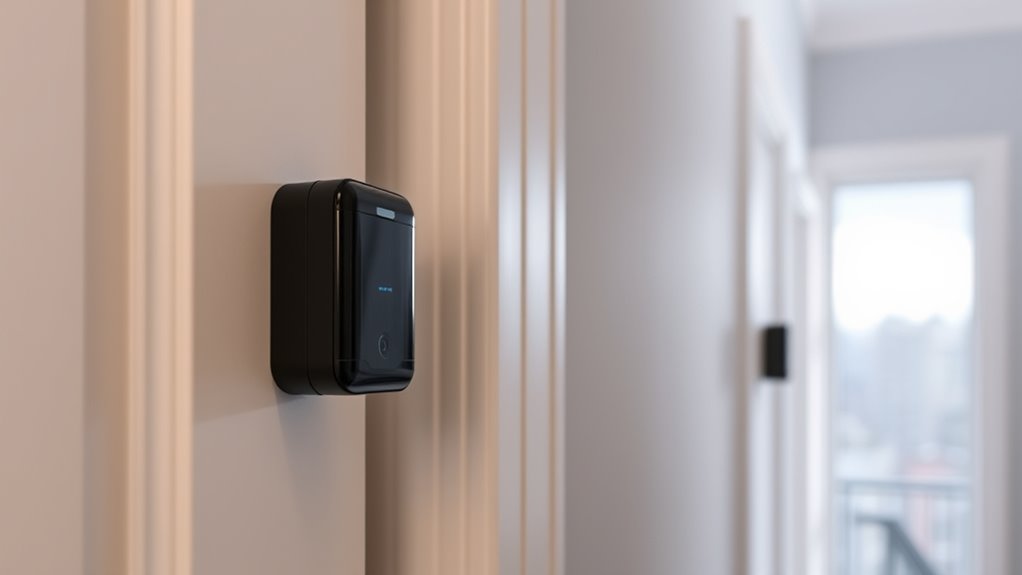
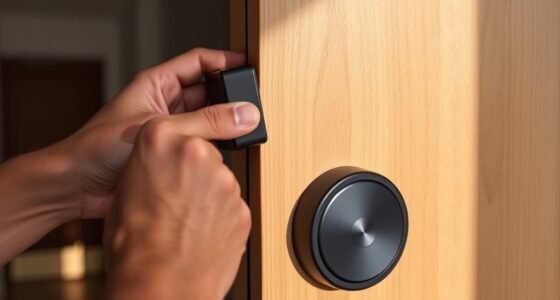
Smart door and window sensors are innovative devices that enhance home security and automation. They act as silent sentinels, constantly monitoring the entry points of your house and alerting you to any suspicious activity. When you install these sensors, you gain a proactive defense system that works seamlessly with your smart home setup. Whether you’re at home or away, they provide peace of mind by instantly notifying you if a door or window is opened unexpectedly. These sensors are small, unobtrusive, and easy to install, often requiring just a few minutes to set up without any special tools or technical expertise.
Once in place, smart sensors communicate with your home automation hub or security app via Wi-Fi or Zigbee, allowing you to monitor your home remotely. When a door or window opens, the sensor triggers an alert on your phone, giving you real-time updates no matter where you are. This immediate notification can prevent potential break-ins or unauthorized access. Some sensors even integrate with other smart devices, such as alarms, cameras, or lighting systems, enabling automated responses. For instance, if a sensor detects an intrusion, it can trigger your outdoor lights to turn on or activate a siren, startling intruders and drawing attention to the breach.
Smart sensors send real-time alerts and automate responses to enhance home security remotely.
The true power of these sensors lies in their customization. You can configure them to suit your lifestyle and security preferences. Want to be notified only during certain hours? No problem. Need to silence alerts when you’re home? Easy to do. They also serve a variety of practical purposes beyond security—like alerting you when children arrive home from school or when a pet has entered a restricted area. This versatility makes smart sensors invaluable for modern homes, blending safety with convenience.
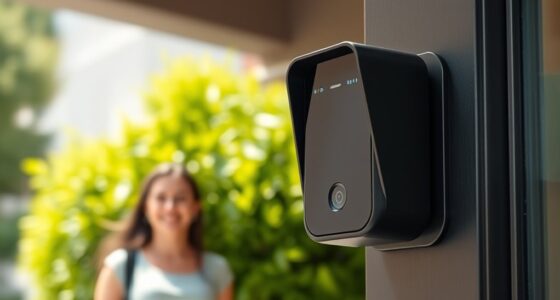
Another advantage is their long battery life, typically lasting months before needing a replacement. You don’t have to worry about frequent maintenance, and many models include low-battery alerts to keep you informed. Plus, since they require no wiring, you can place them on any door or window without extensive renovations. The sensors are designed to be durable and reliable, capable of withstanding various weather conditions if installed outdoors. Additionally, many of these sensors incorporate energy-efficient communication protocols, which help extend battery life and ensure reliable operation.
In essence, smart door and window sensors are smart investments that bolster your home’s security without complicating your daily routine. They provide a constant, unobtrusive layer of protection, giving you control and confidence whether you’re at home or away. With simple installation, customizable settings, and instant alerts, they truly are the unsung heroes of home security technology.

Smart WiFi Door Sensor: Wireless Window Sensor with App Notification Alert, Tuya Door Open Contact Sensor for Home Security, No Hub Required, Compatible with Alexa Google Assistant
WiFi DOOR SENSOR WITH APP ALERTS: No hub required and No fees charge. Control with the "Tuya Smart"…
As an affiliate, we earn on qualifying purchases.
As an affiliate, we earn on qualifying purchases.
Frequently Asked Questions
How Do Smart Sensors Integrate With Existing Home Security Systems?
You can easily integrate smart sensors with your existing home security system by connecting them through a compatible hub or app. Once paired, they automatically communicate with your system, providing real-time alerts and seamless control. Most sensors use Wi-Fi or Z-Wave technology, so you just need to follow the setup instructions. This integration enhances your security, giving you peace of mind and smarter, more responsive protection.
What Are the Best Practices for Maintaining Sensor Battery Life?
You should check your sensors monthly, as studies show batteries last an average of 1-2 years. To prolong their life, replace batteries promptly, avoid exposing sensors to extreme temperatures, and keep them clean from dust and debris. Enable low-battery alerts, and consider using rechargeable batteries if supported. These steps ensure your sensors stay reliable, providing continuous security and peace of mind.
Can Sensors Be Customized for Different Door and Window Types?
Yes, sensors can be customized for different door and window types. You can adjust sensitivity settings or choose specific sensors designed for various materials like metal, wood, or vinyl. This guarantees better detection and fewer false alarms. When installing, make sure to select the right type of sensor and configure it according to your door or window’s material and usage, optimizing security and performance.
How Do Sensors Differentiate Between False Alarms and Real Threats?
A stitch in time saves nine, so understanding how sensors tell false alarms from real threats matters. You can rely on advanced features like motion detection, contact sensors, and smart algorithms that analyze patterns to distinguish genuine breaches from everyday movements or pets. These sensors learn your routine, reducing false alarms. By adjusting sensitivity settings and integrating them with security systems, you guarantee your home stays protected without unnecessary alerts.
Are Smart Sensors Compatible With Voice Control Devices?
Yes, smart sensors are compatible with voice control devices. You can easily integrate them with popular assistants like Alexa, Google Assistant, or Apple’s Siri. This allows you to control and monitor your sensors hands-free, receive voice alerts, and automate routines. Make sure your sensors are compatible and connected to your smart home hub or Wi-Fi network. With this setup, managing your home security becomes more intuitive and effortless.

Driveway Alarm- 1/2 Mile Long Range Wireless Driveway Alarm Outdoor Weather Resistant Motion Sensor&Detector-DIY Security Alert-Monitor&Protect Outdoor/Indoor Property – 1 Receiver and 2 Sensors
WIDE RANGE OF APPLICATIONS : The wireless weather resistant driveway alarm motion sensor can be used to monitor&protect…
As an affiliate, we earn on qualifying purchases.
As an affiliate, we earn on qualifying purchases.
Conclusion
Smart door and window sensors truly are the unsung heroes of home security, providing instant alerts and peace of mind. Did you know that homes equipped with these sensors experience a 60% reduction in break-ins? By installing them, you’re not only protecting your belongings but also gaining control over your safety, all with minimal effort. So, consider adding these smart sensors—they’re a simple, effective way to strengthen your home’s defenses and stay one step ahead of potential intruders.

WiFi Door Sensor Chime, Smart Door Open Alert Window Sensor for Business/Home/Kids Safety, Real-Time App Notification, 500ft Range, 32 Melodies, 5 Volume Levels, Window Contact Sensor Alarm Kit
Real-Time App Alerts for Safety – Monitor your home from anywhere via the Tuya/Smart Life App. Perfect for…
As an affiliate, we earn on qualifying purchases.
As an affiliate, we earn on qualifying purchases.

Philips Personal Security Window and Door Alarm, 4 Pack, DIY Protection, Burglar Alert, Wireless, Chime/Alarm, Easy Installation, Ideal for Home, Garage, Apartment, RV and More, LRM3320W/27
Safe and Secure – Ward off would-be intruders with a 120-decibel alarm triggered by a high-quality magnetic sensor,…
As an affiliate, we earn on qualifying purchases.
As an affiliate, we earn on qualifying purchases.